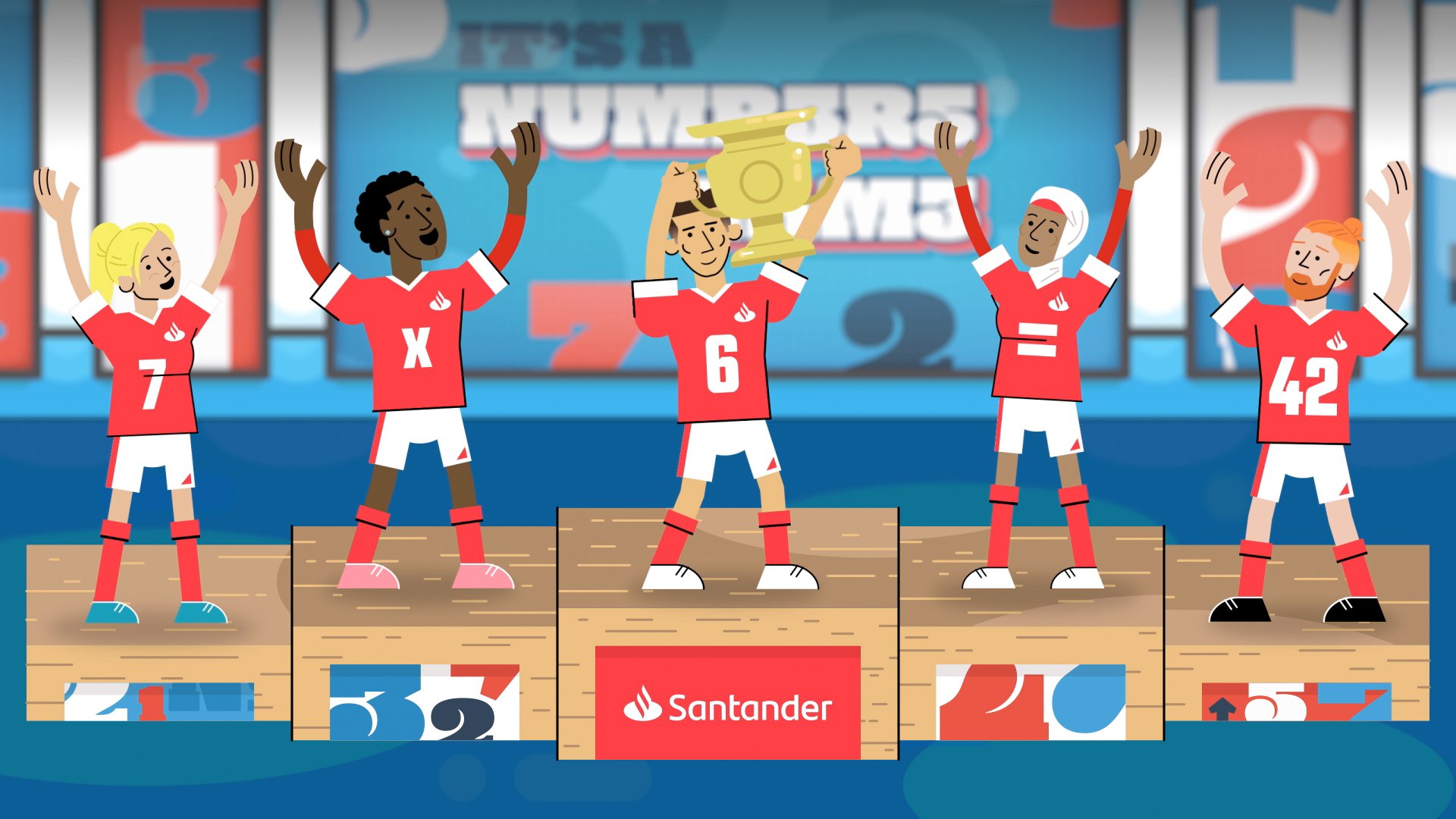
Santander / Twinkl: The Numbers Game
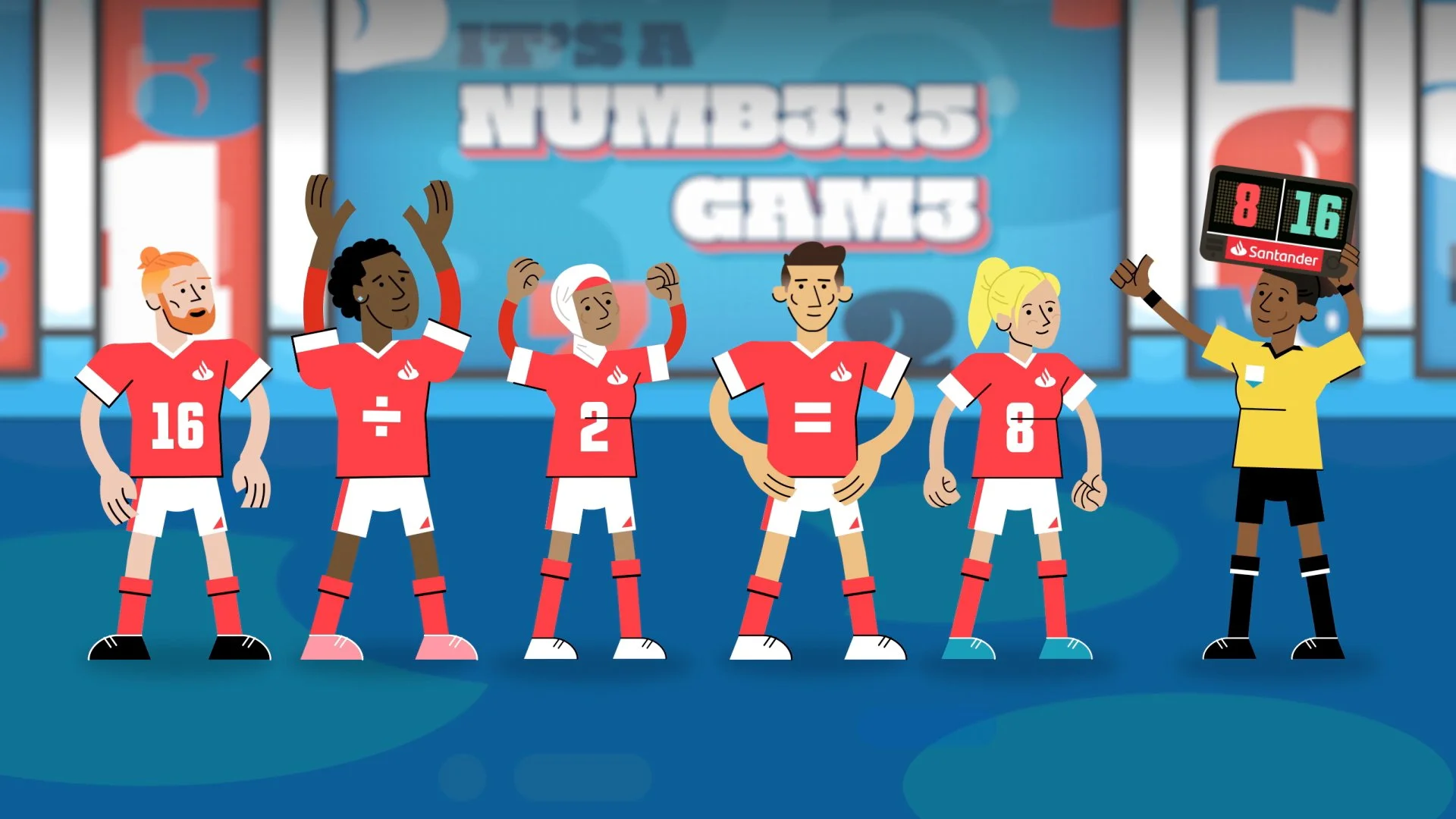
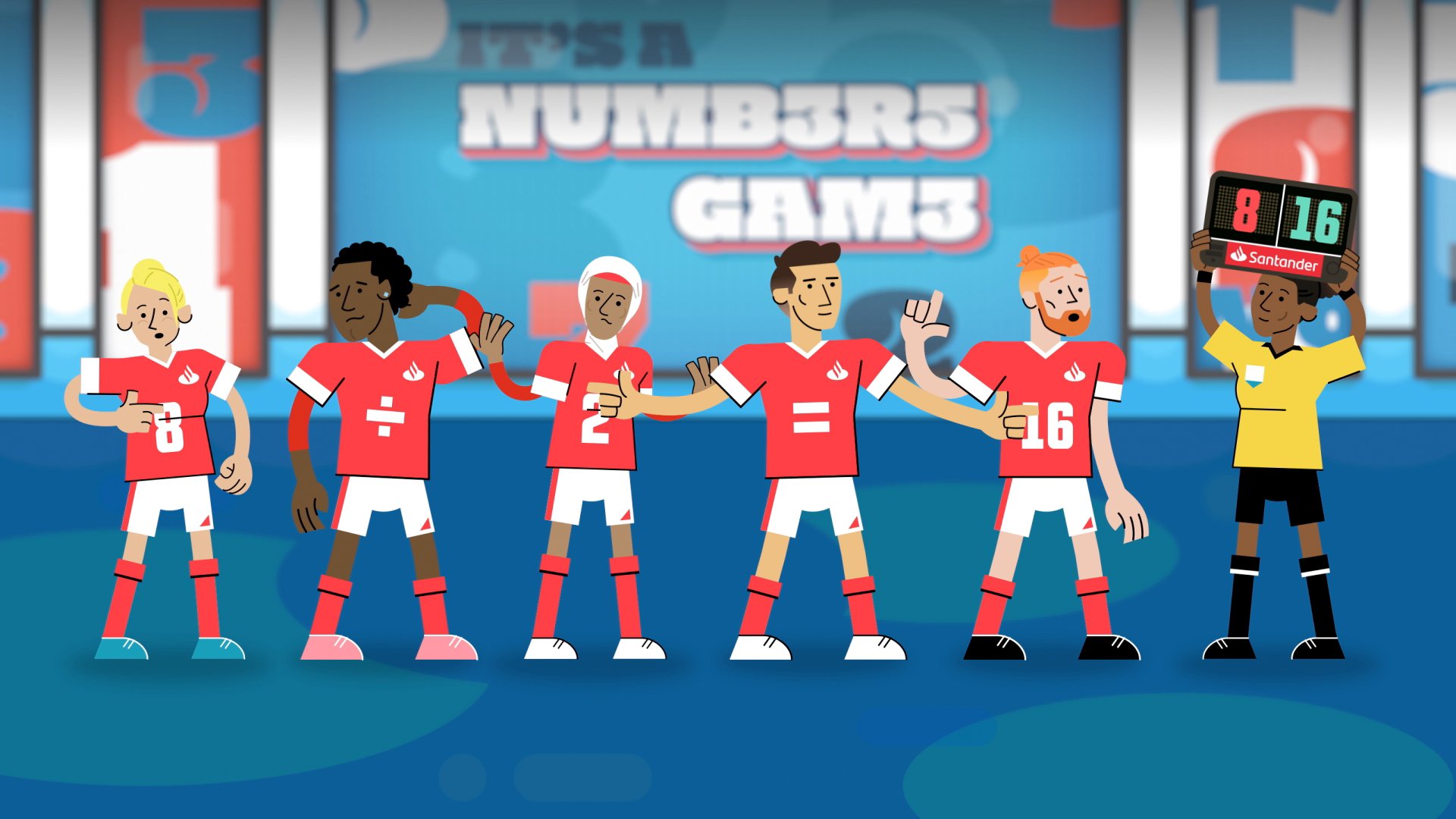
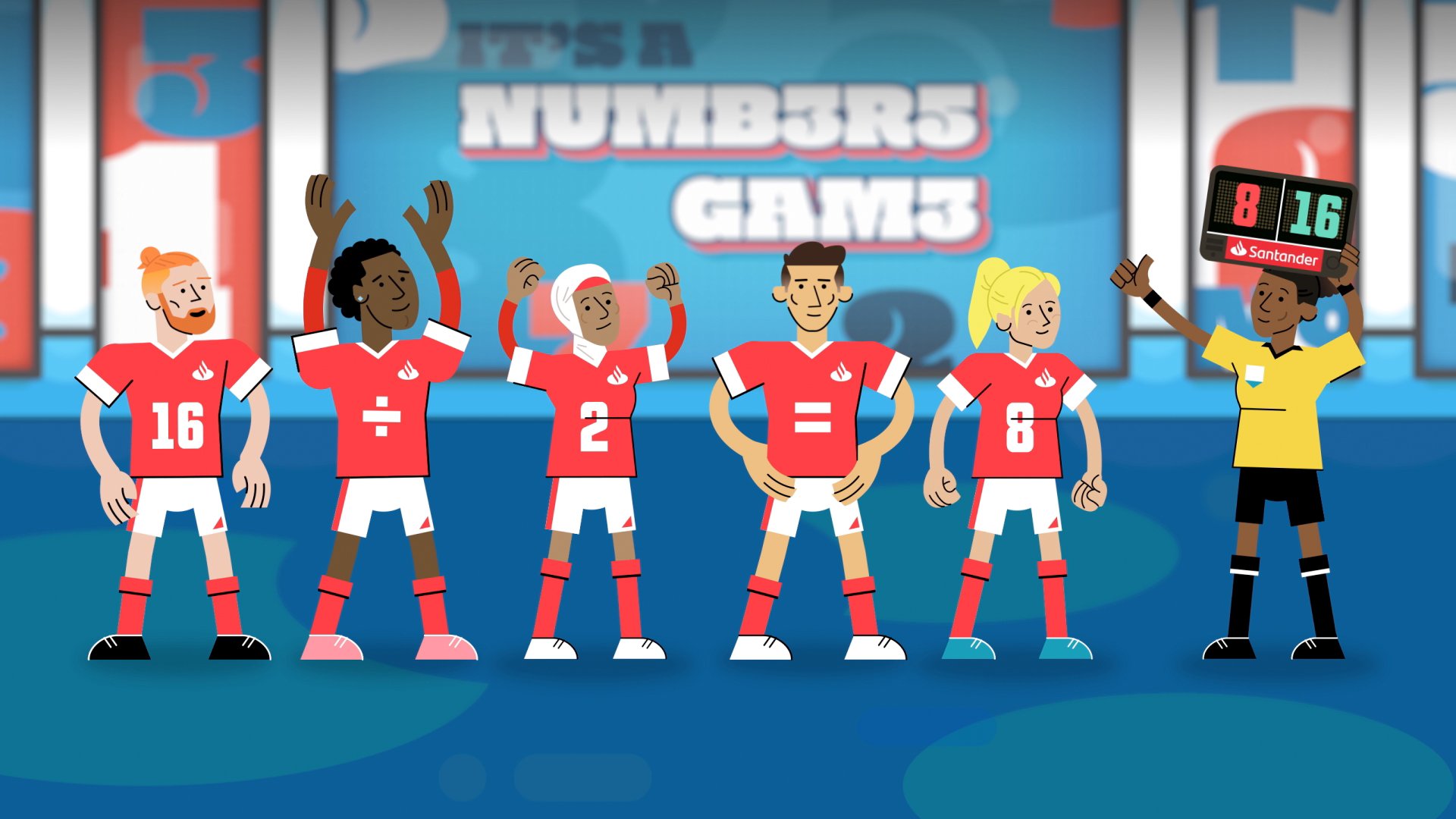
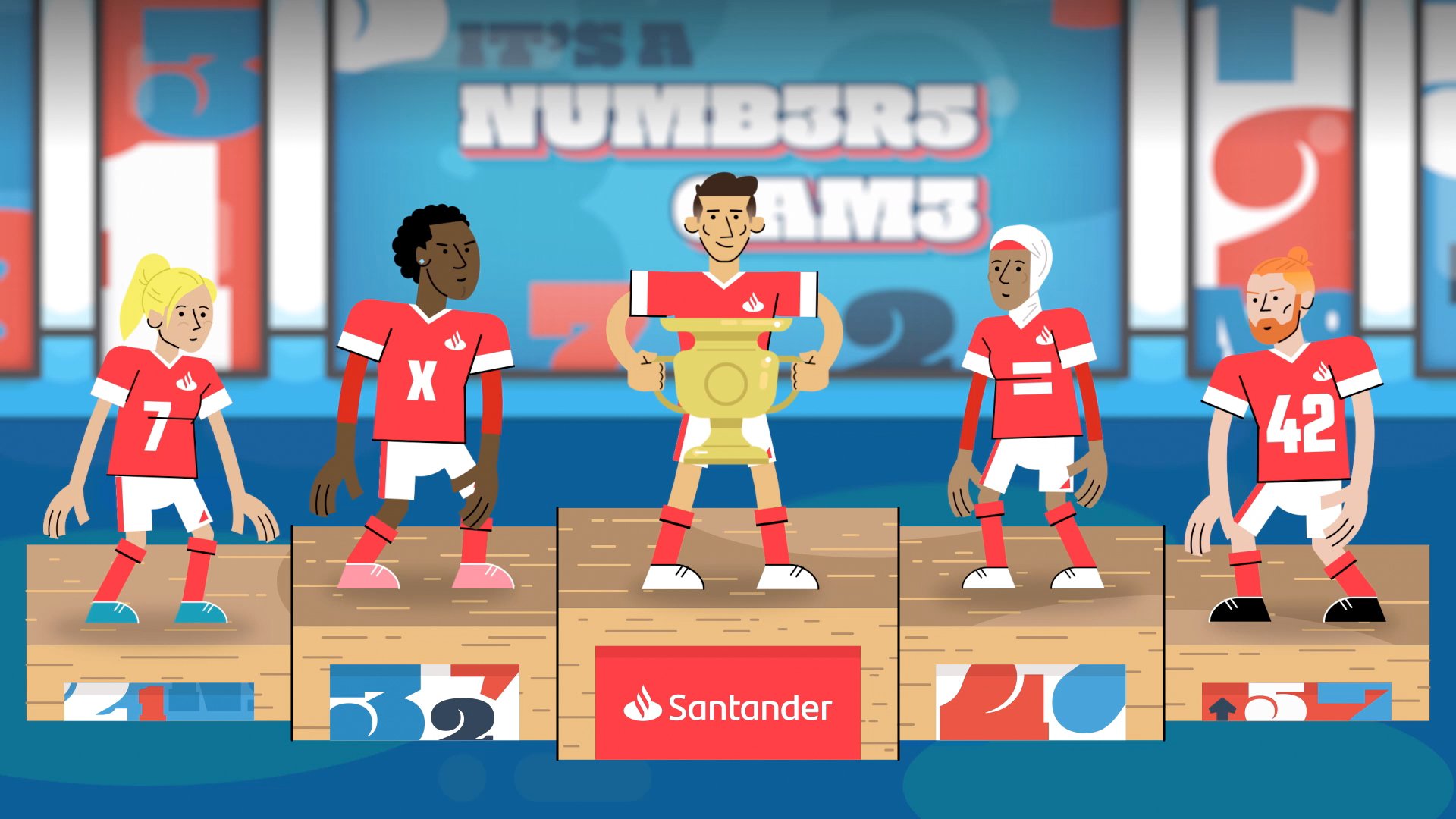
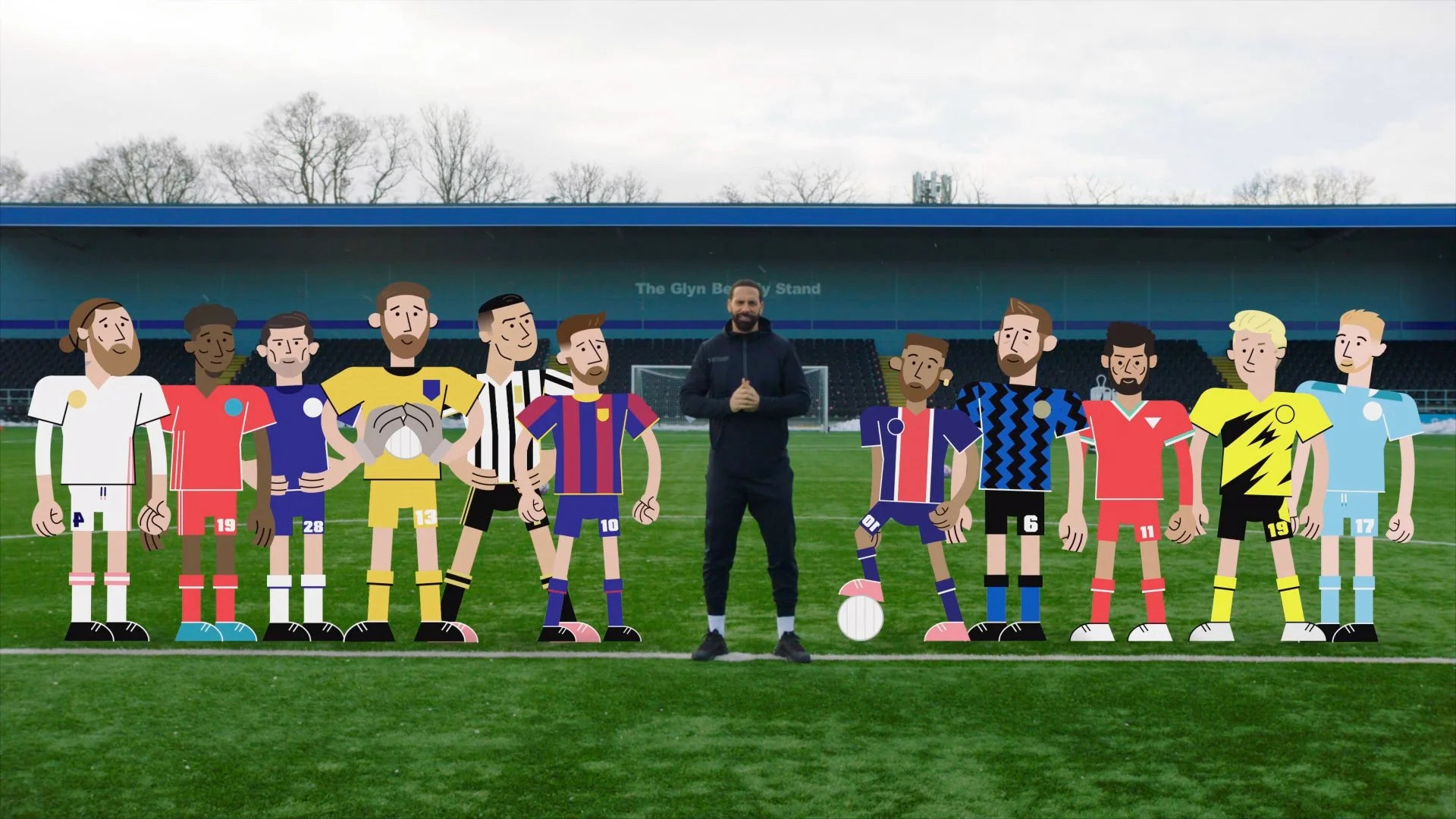
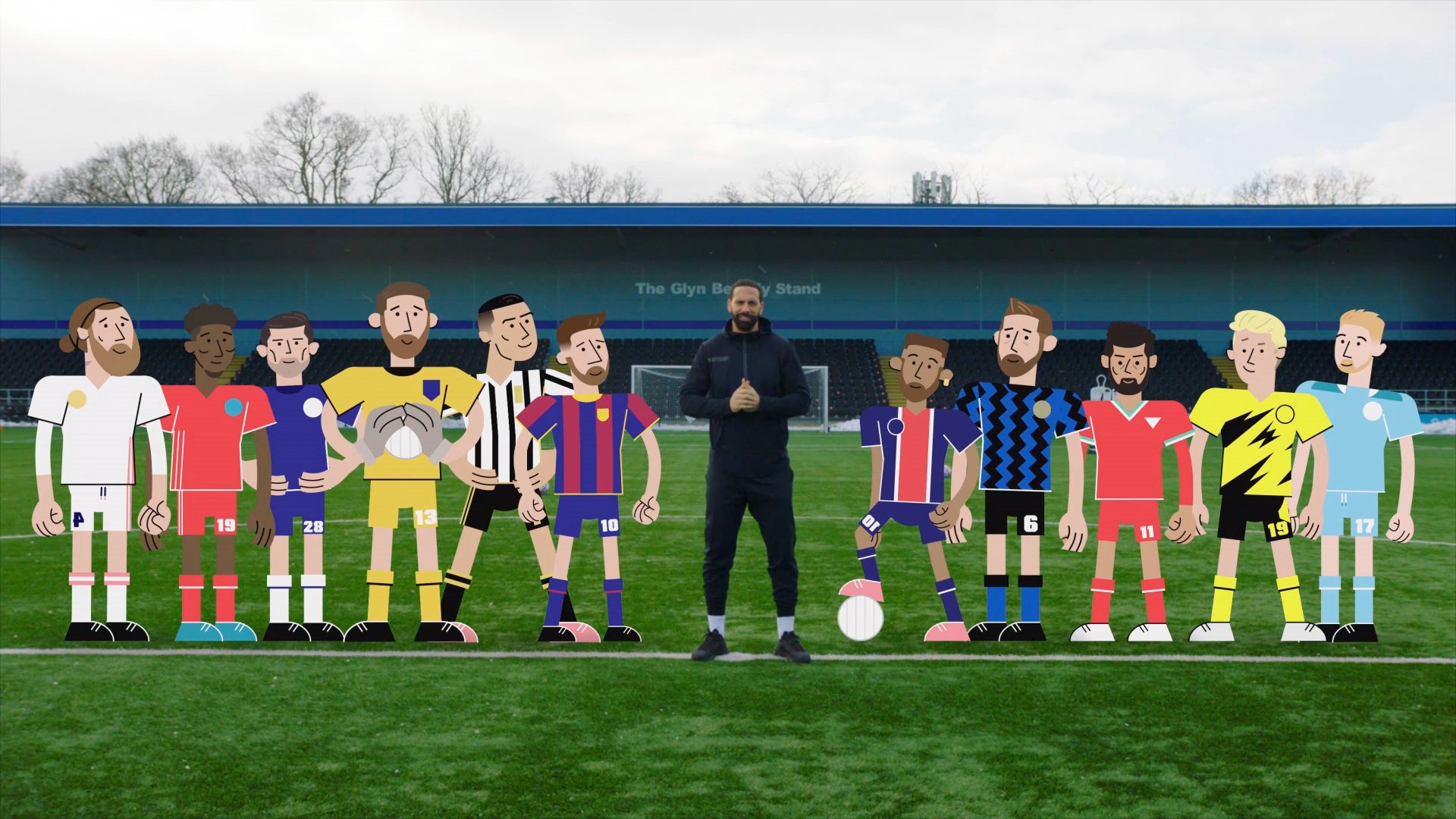
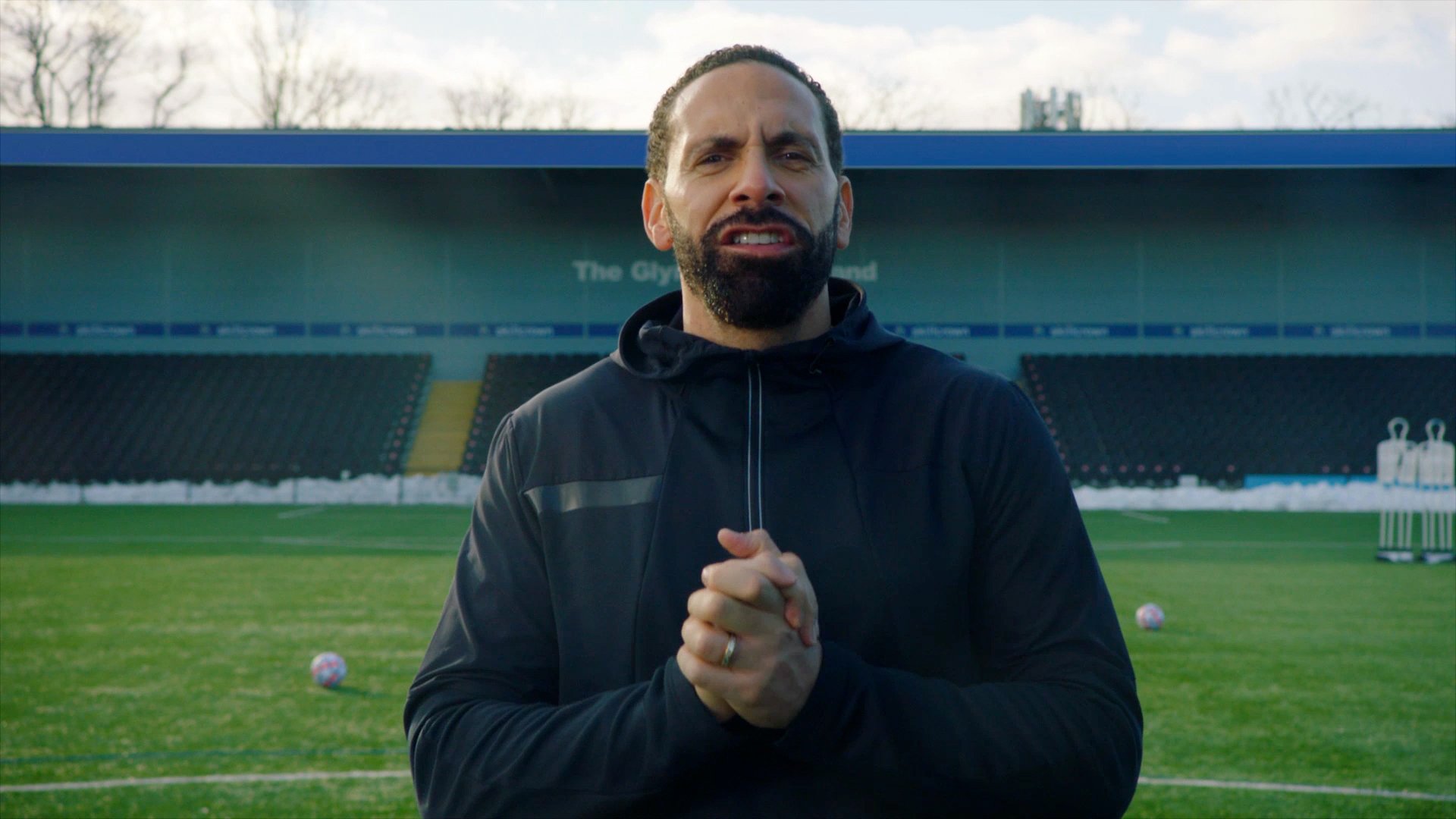
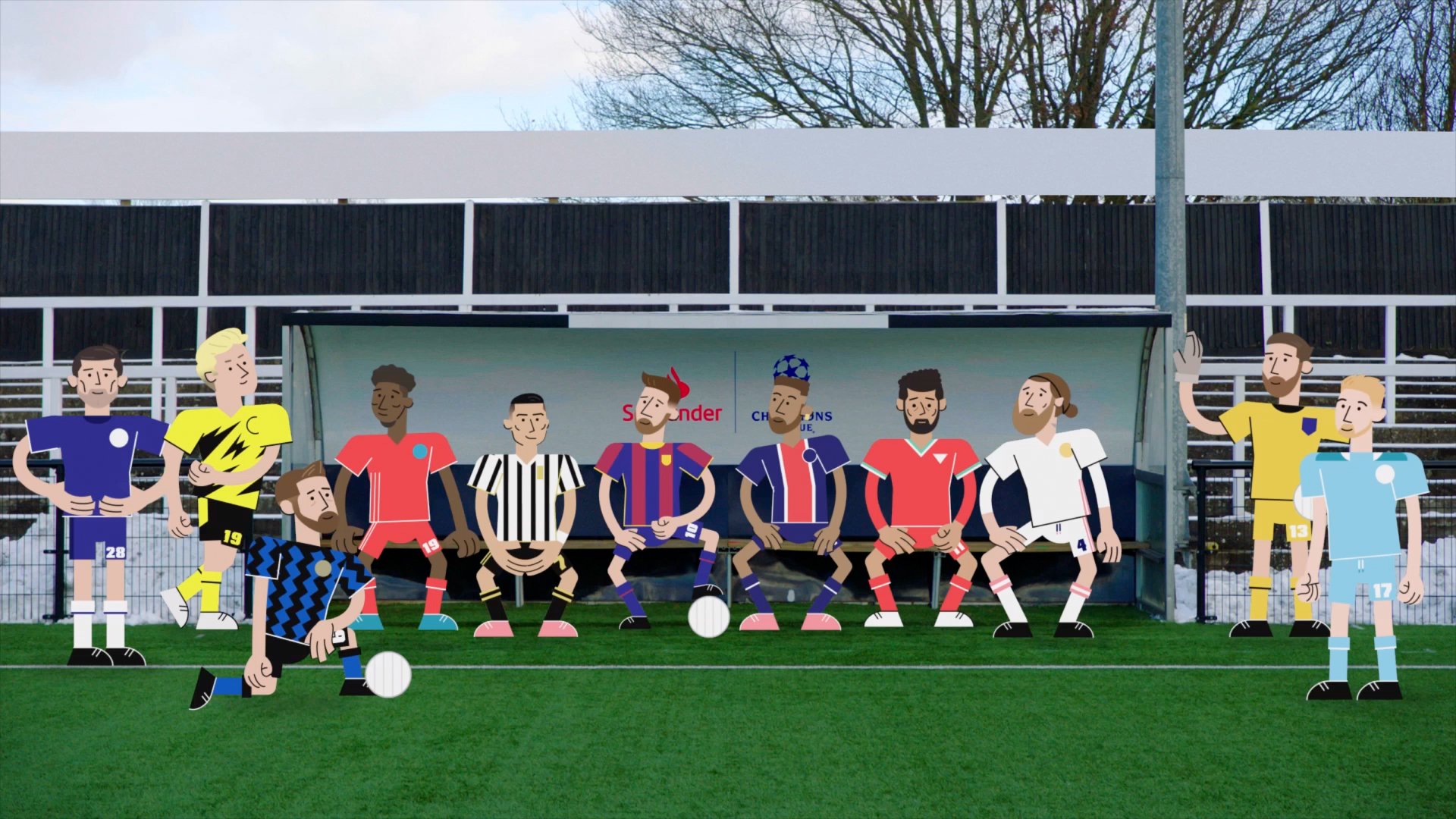
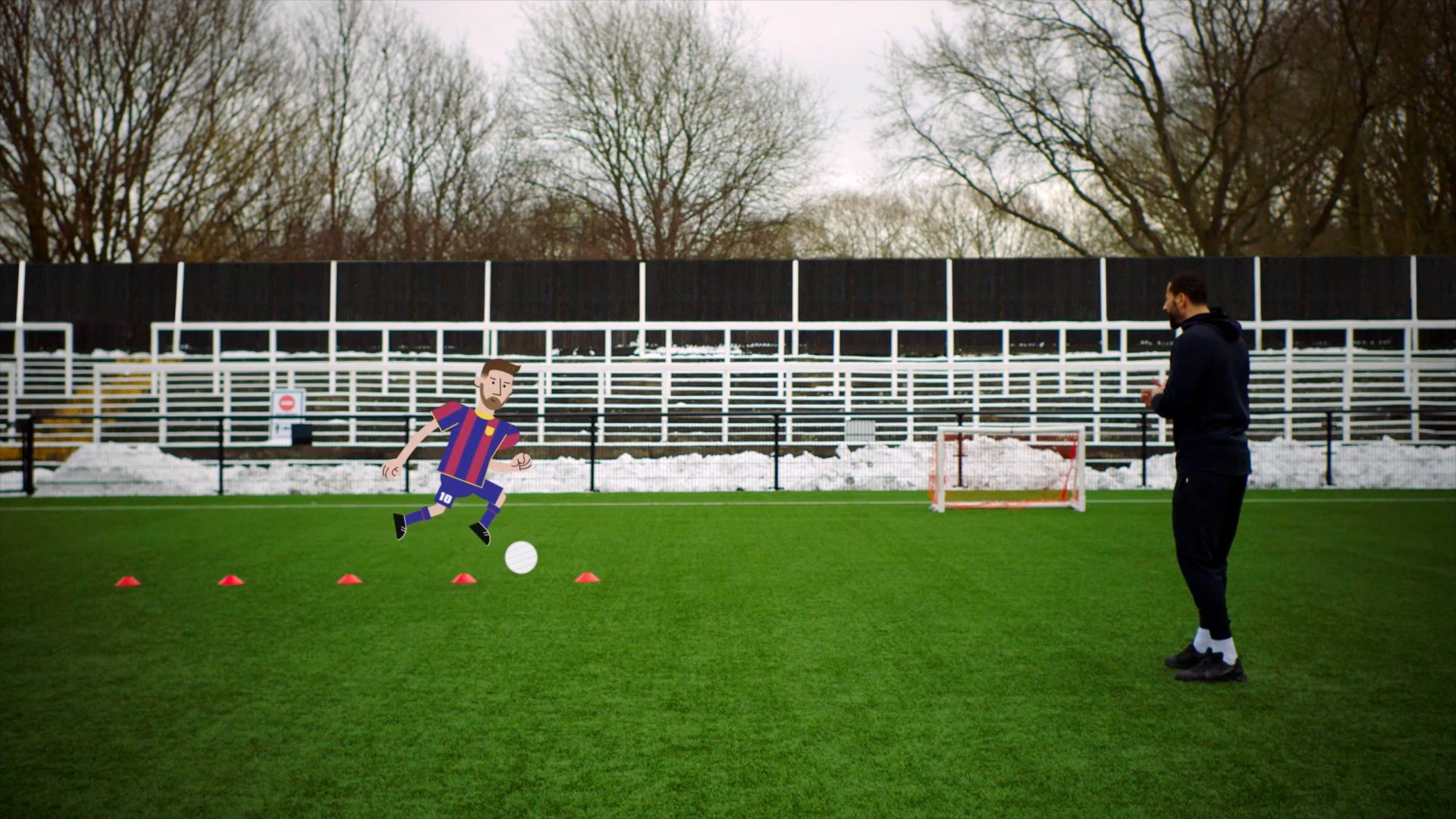
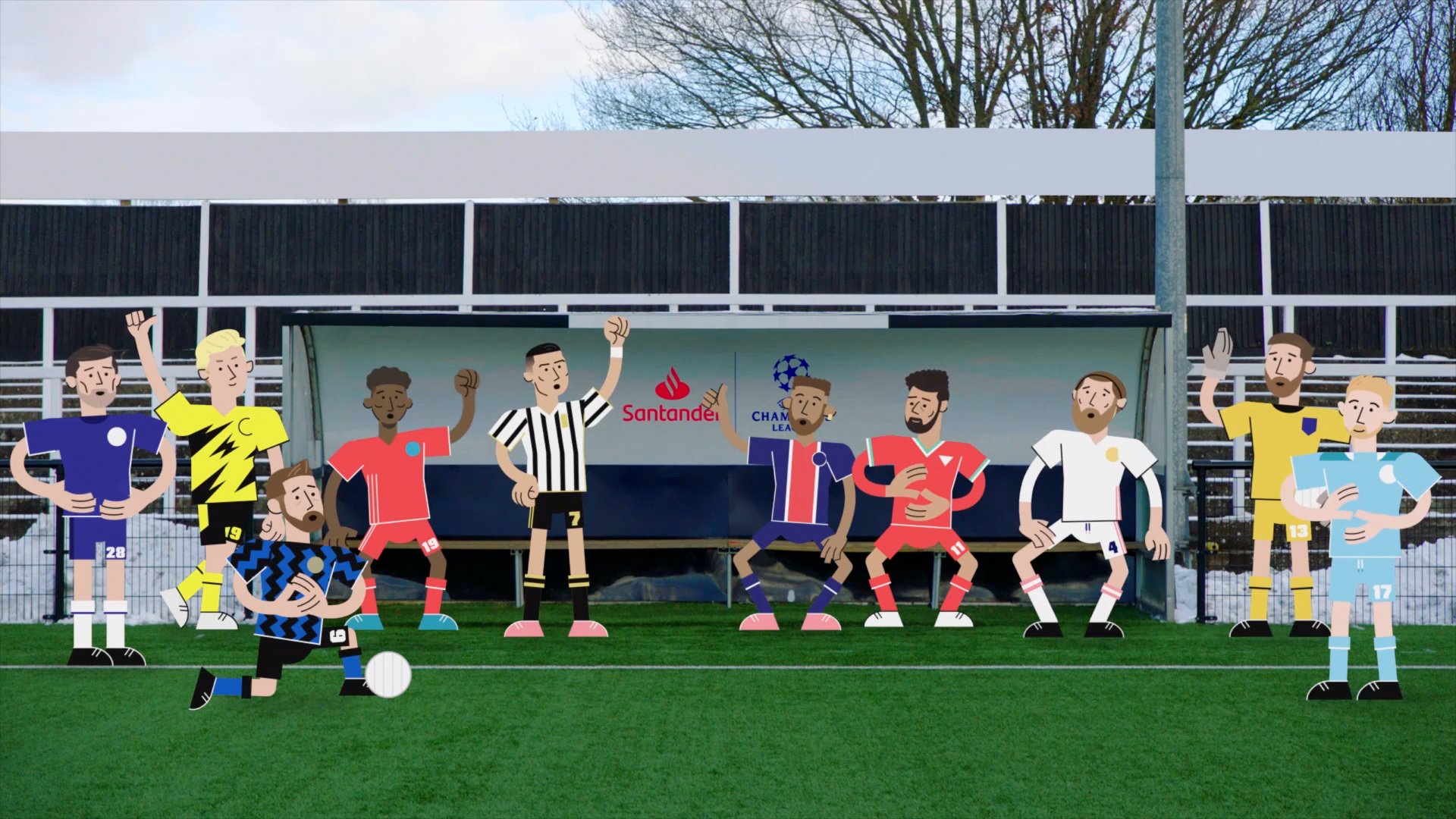
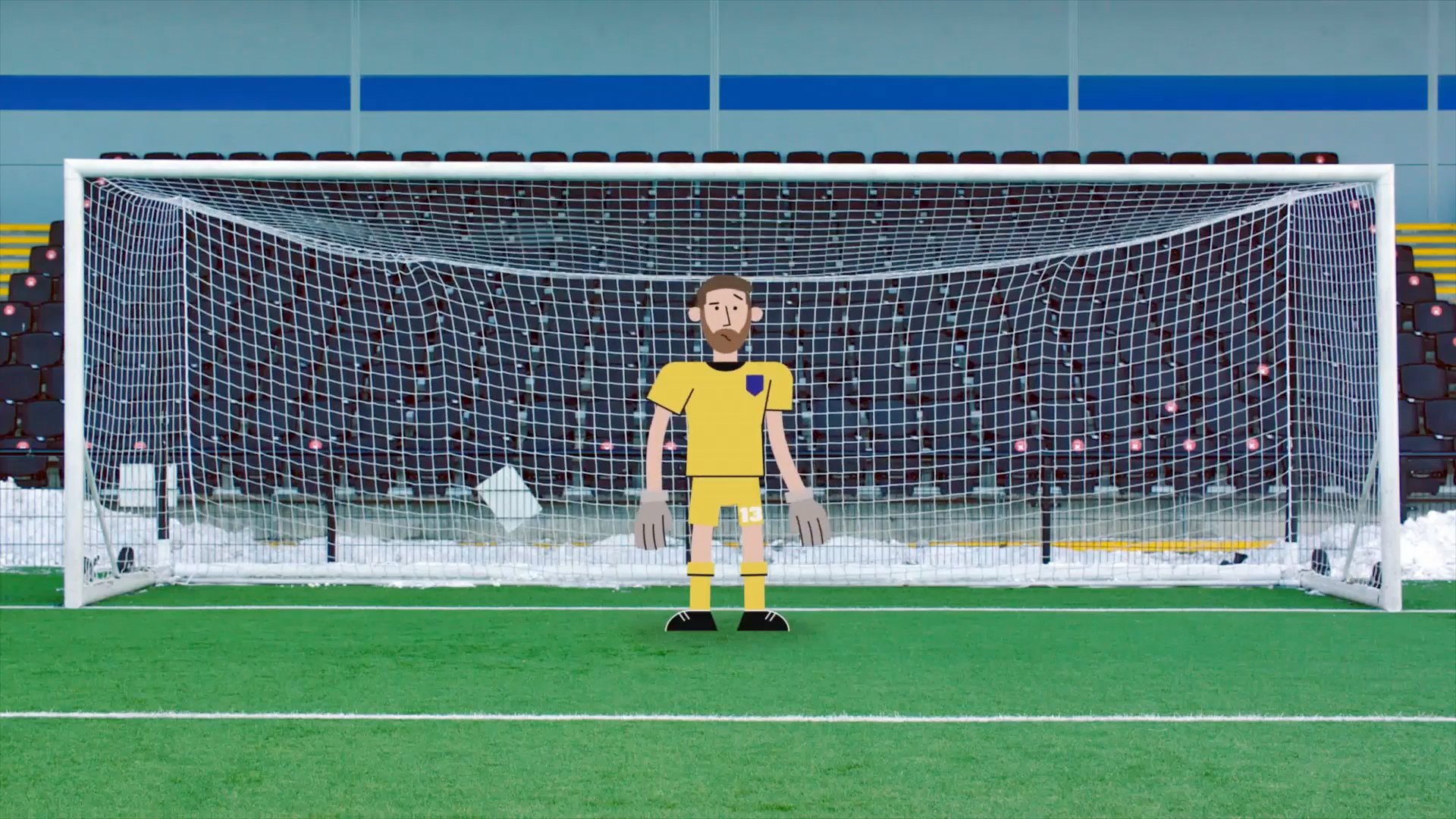
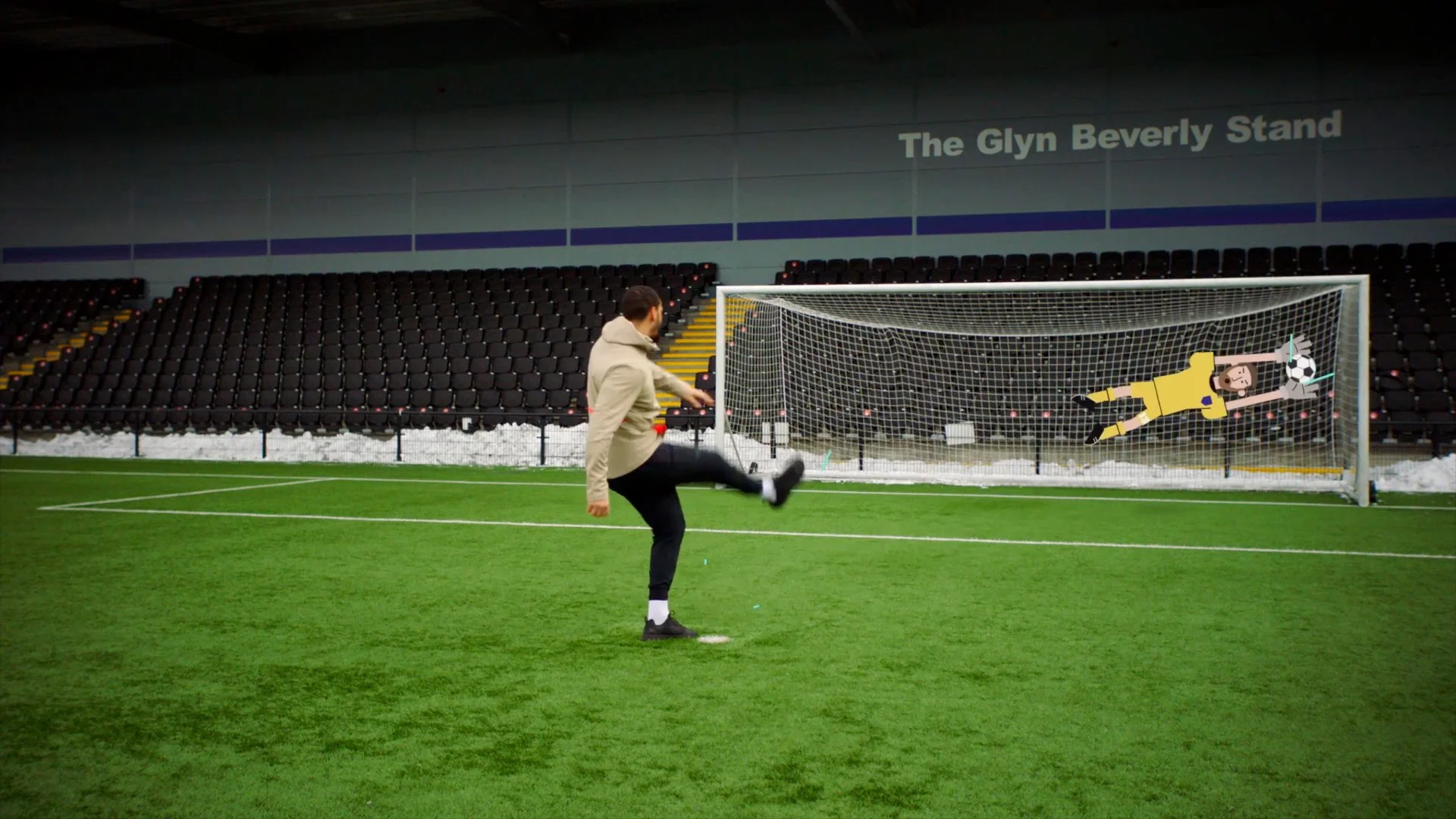
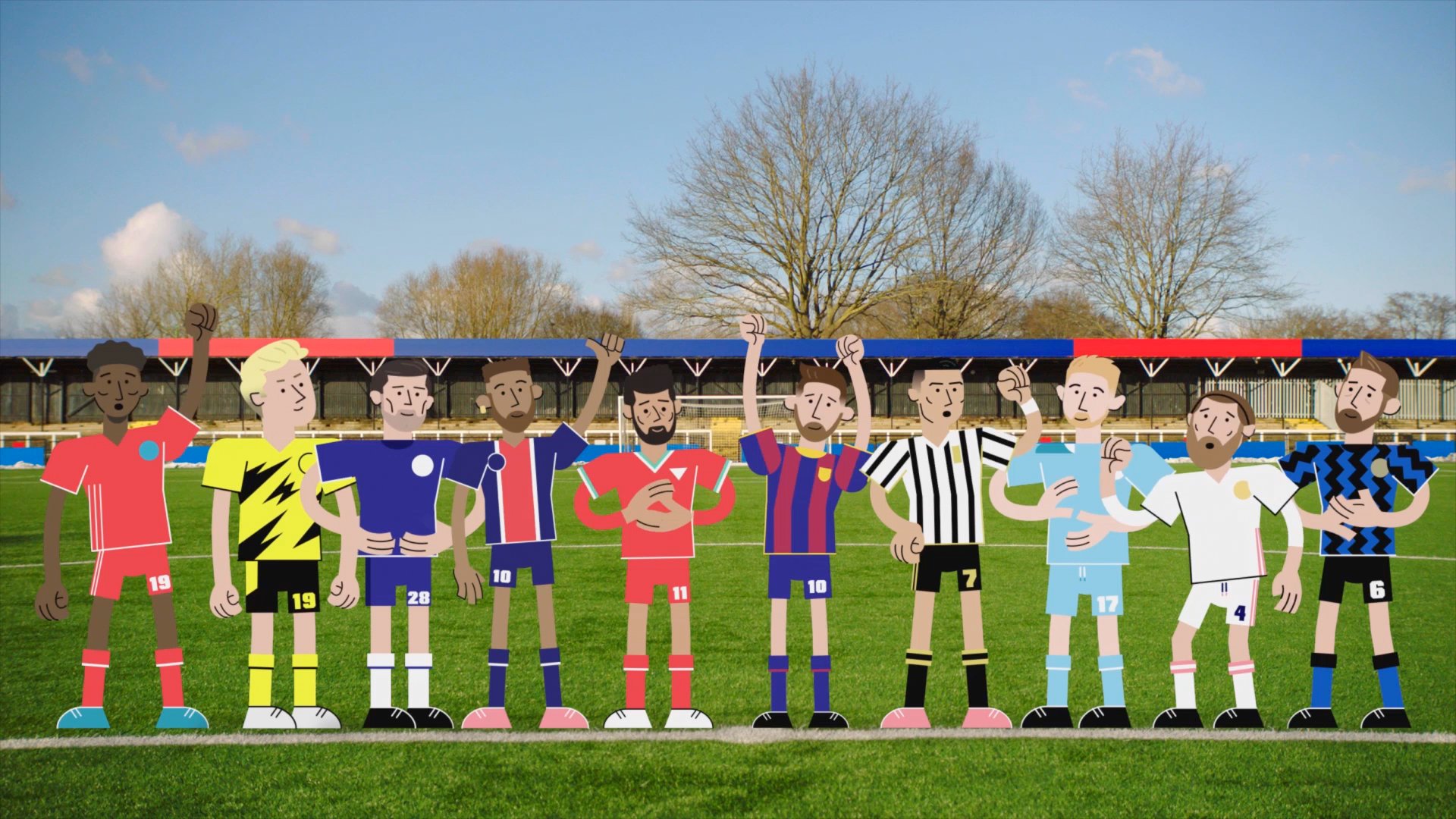
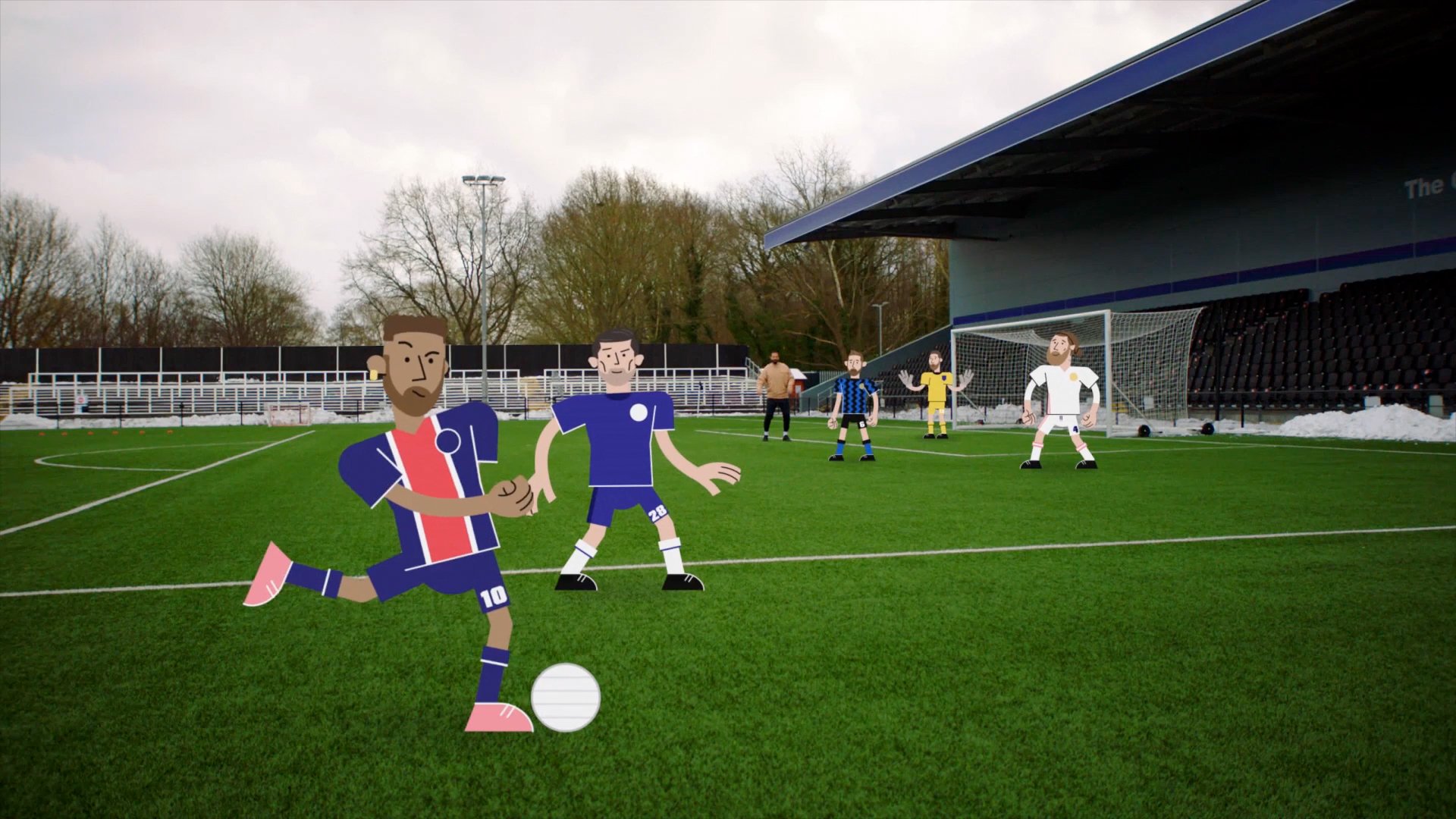
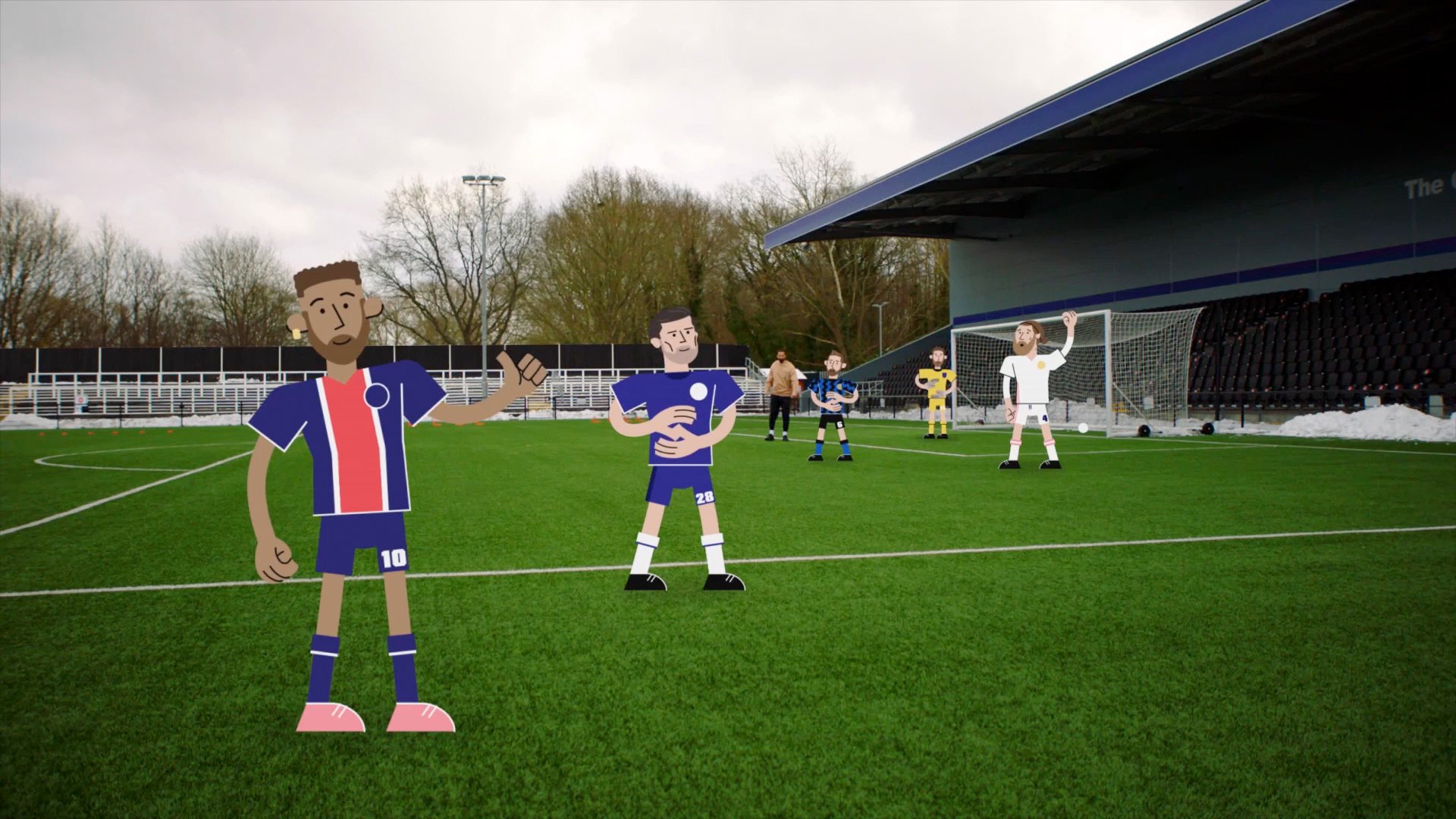
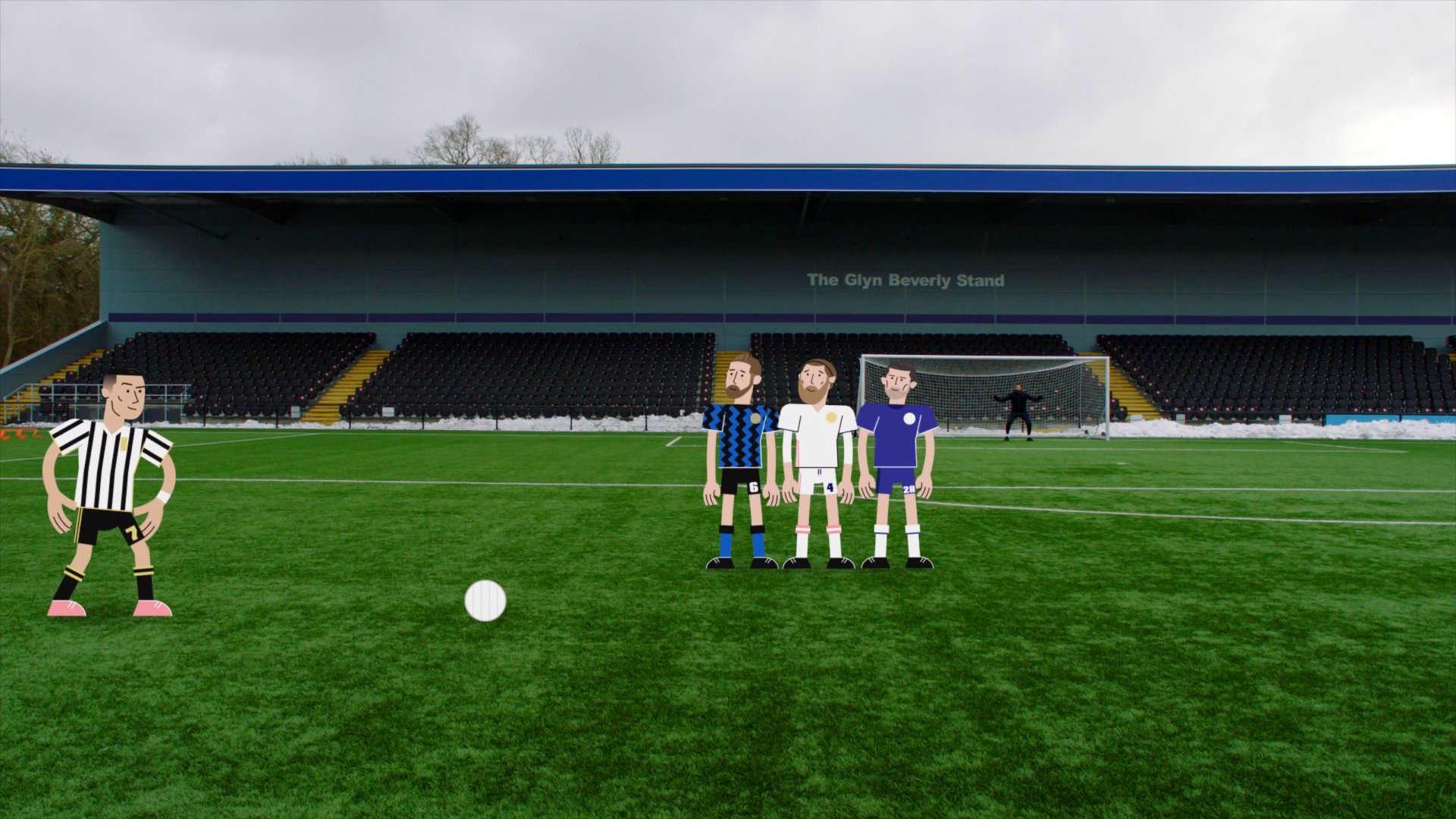
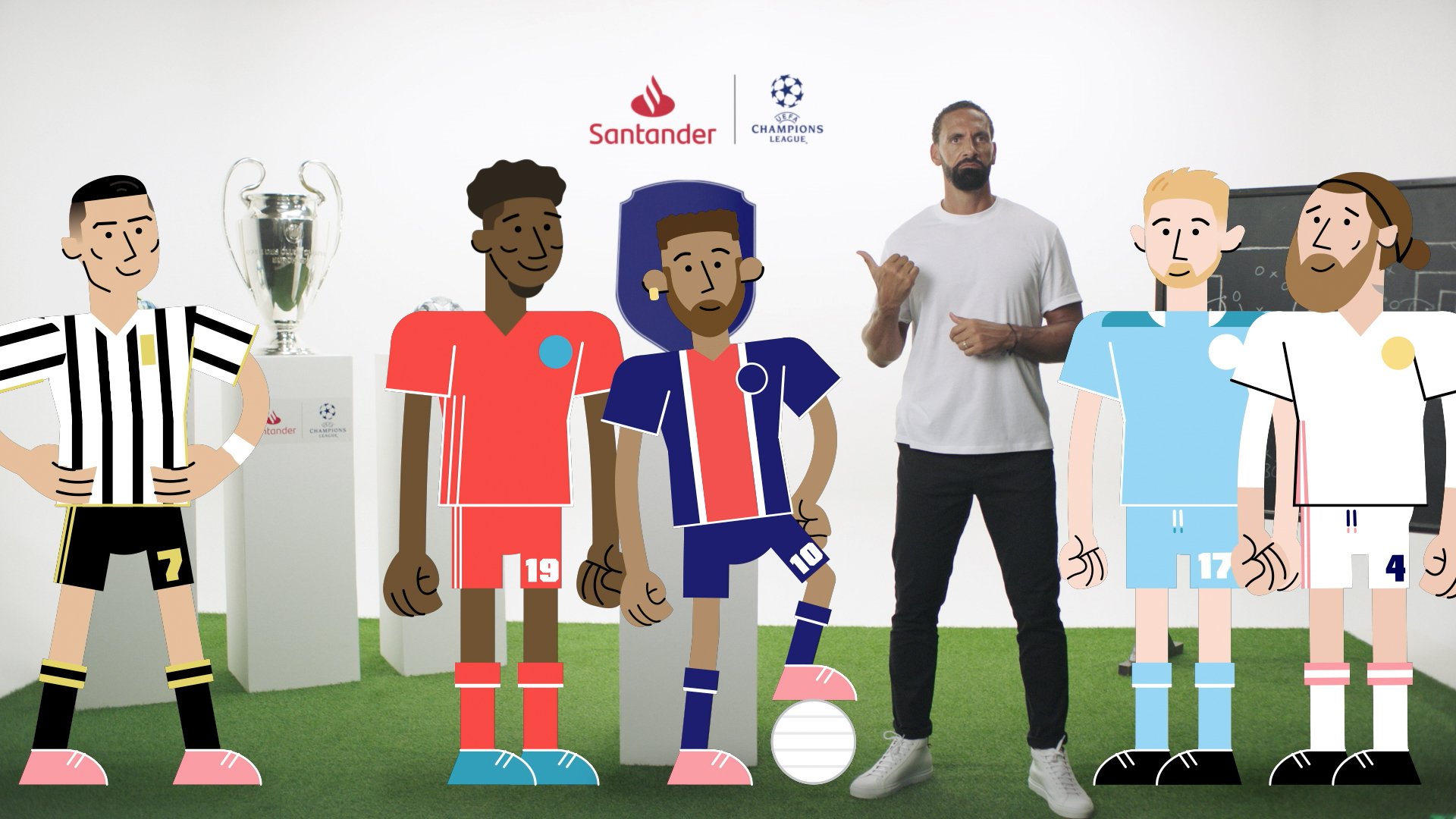
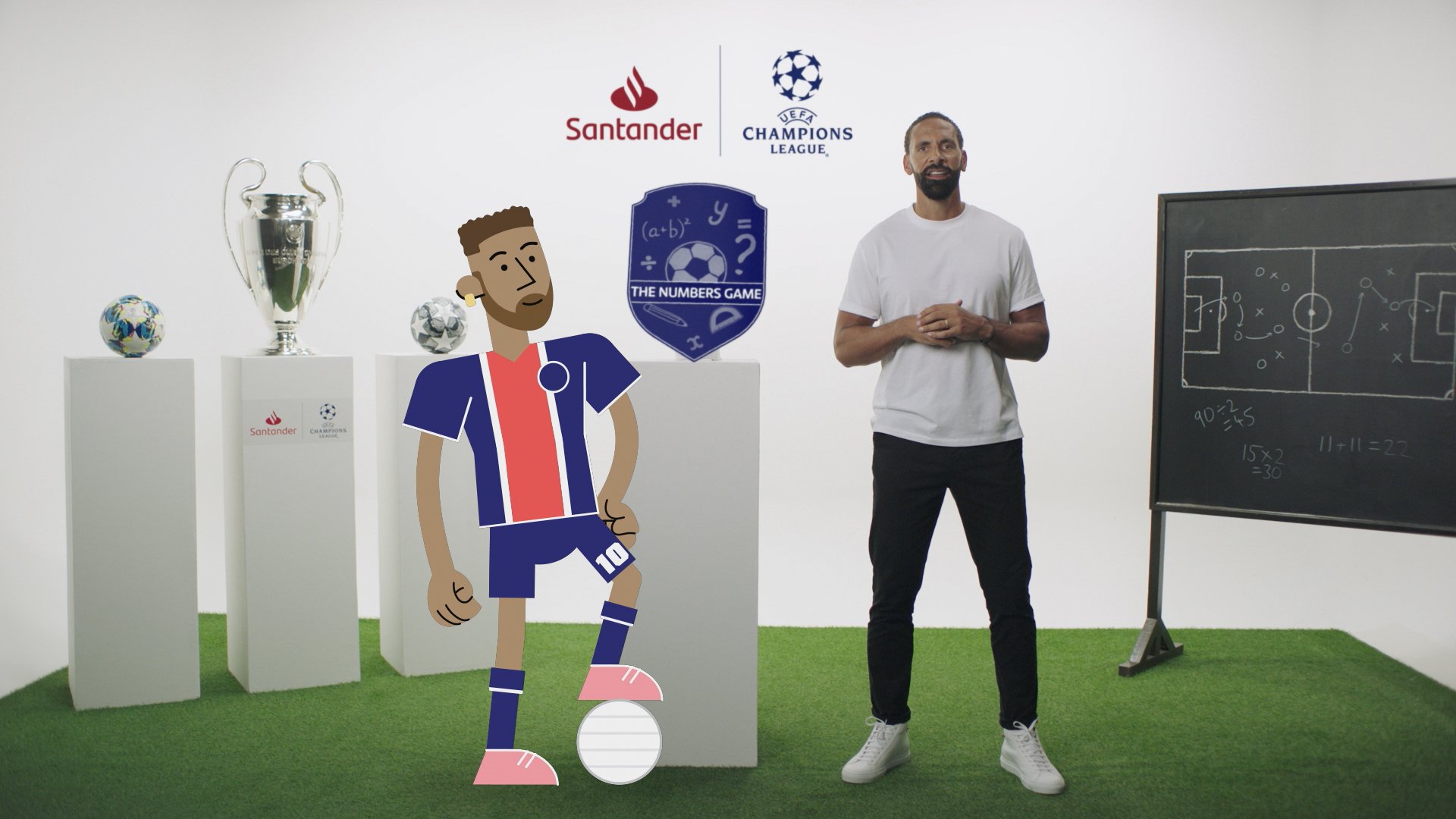
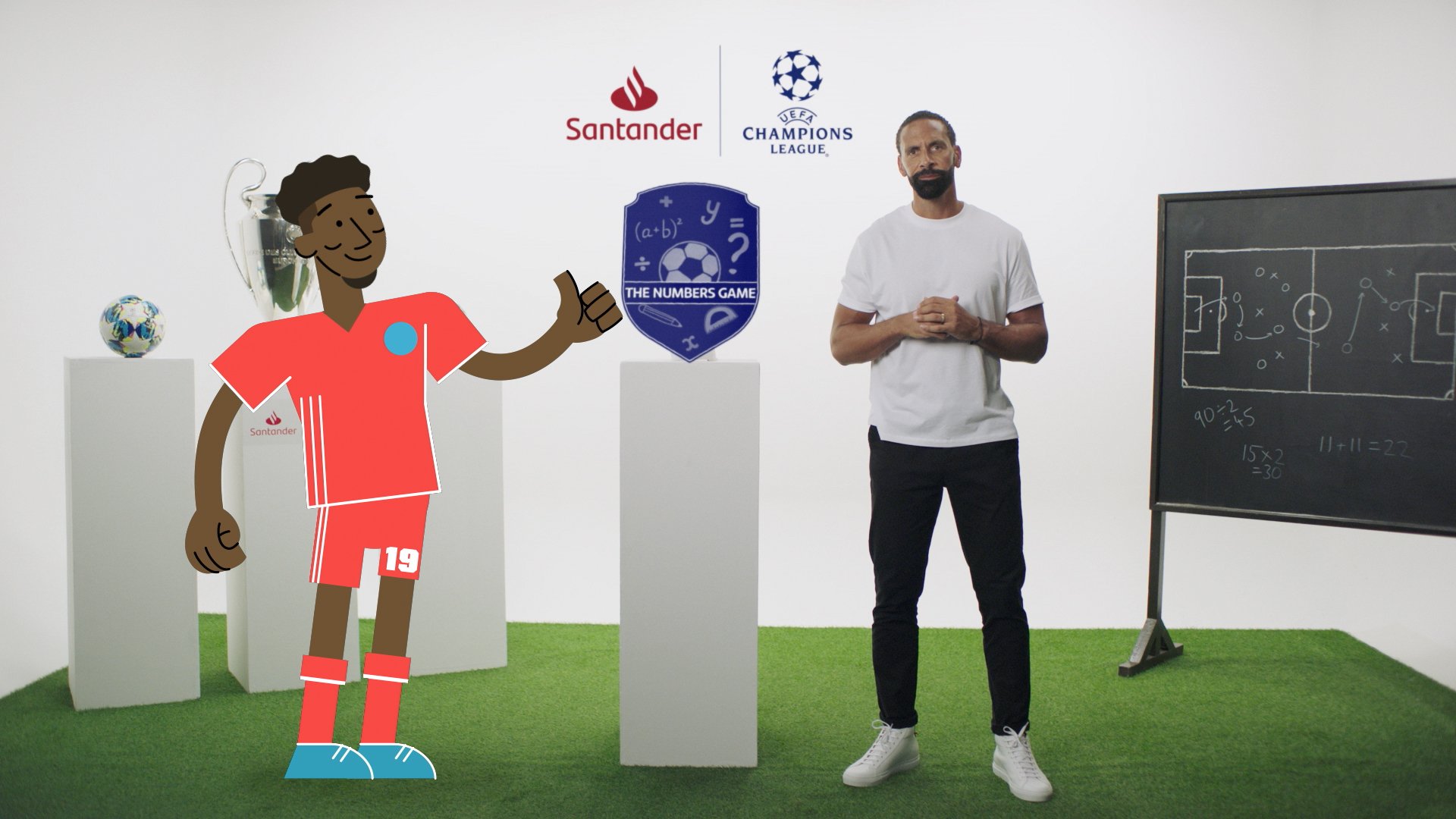
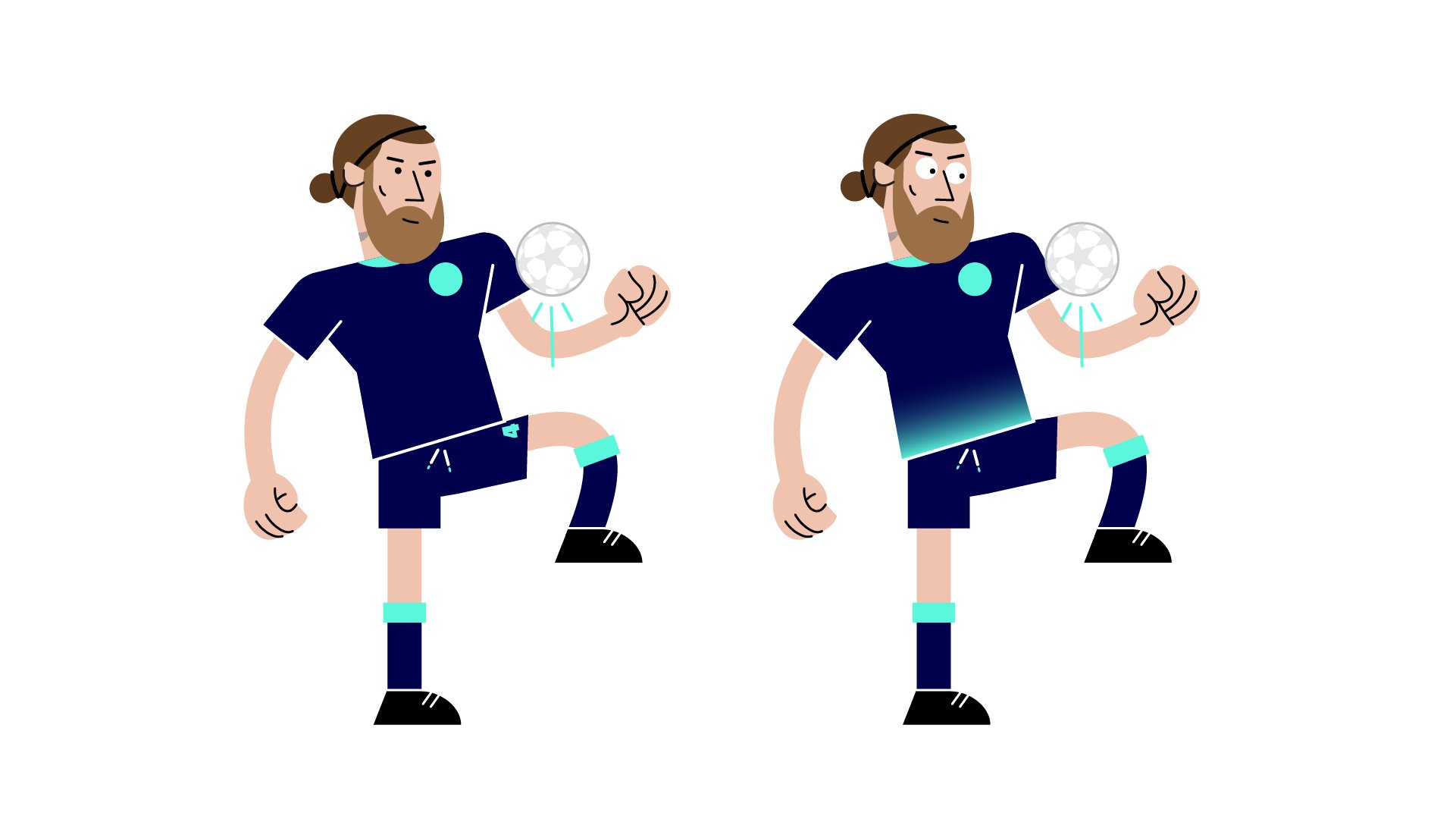
Oakbeam Pictures worked with Wing to create character animation for The Numbers Game, an educational initiative developed in collaboration with Santander, Twinkl, and Rio Ferdinand. The project was designed to support children and families with home learning, using animation to build confidence and engagement around maths.
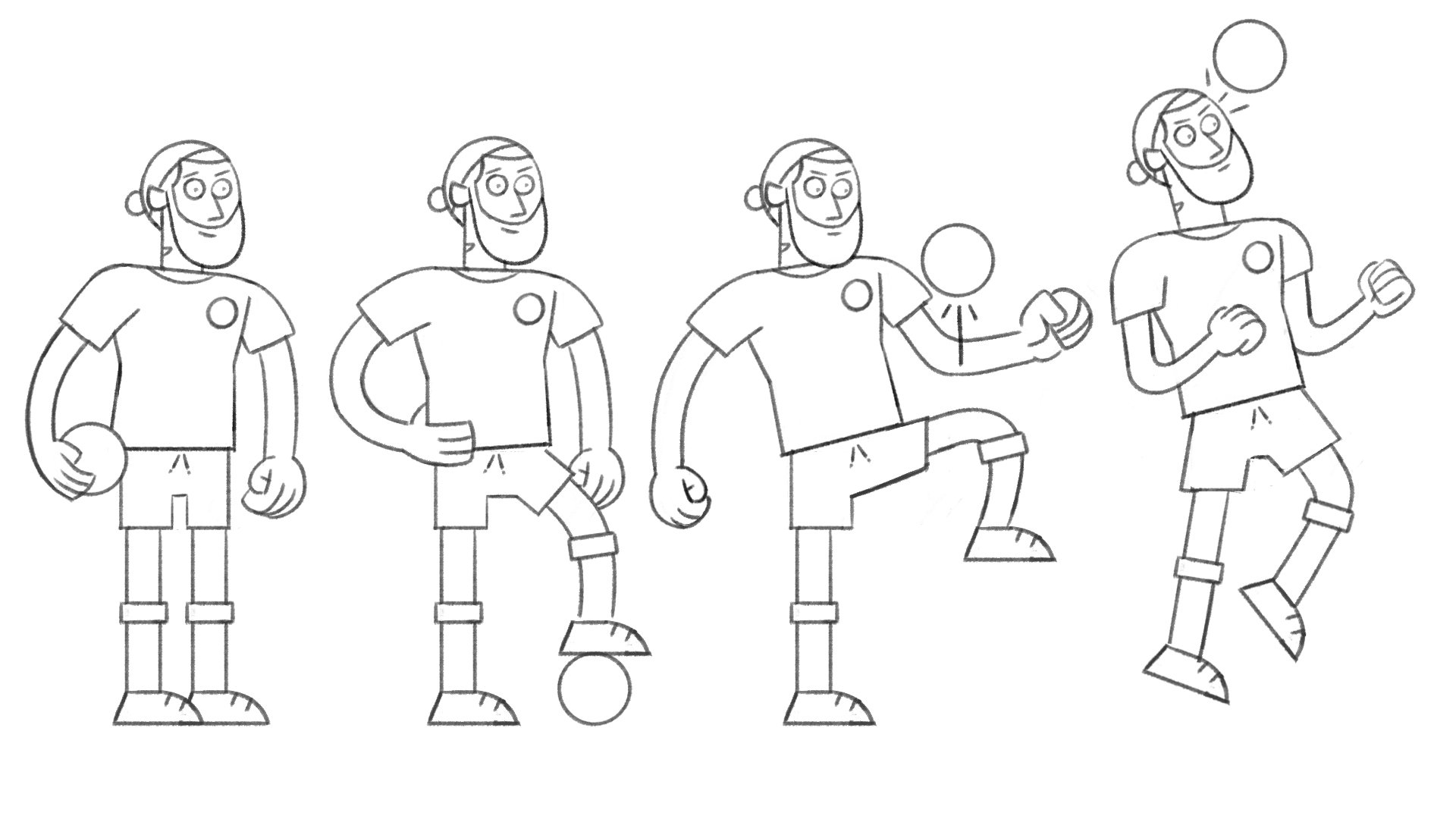
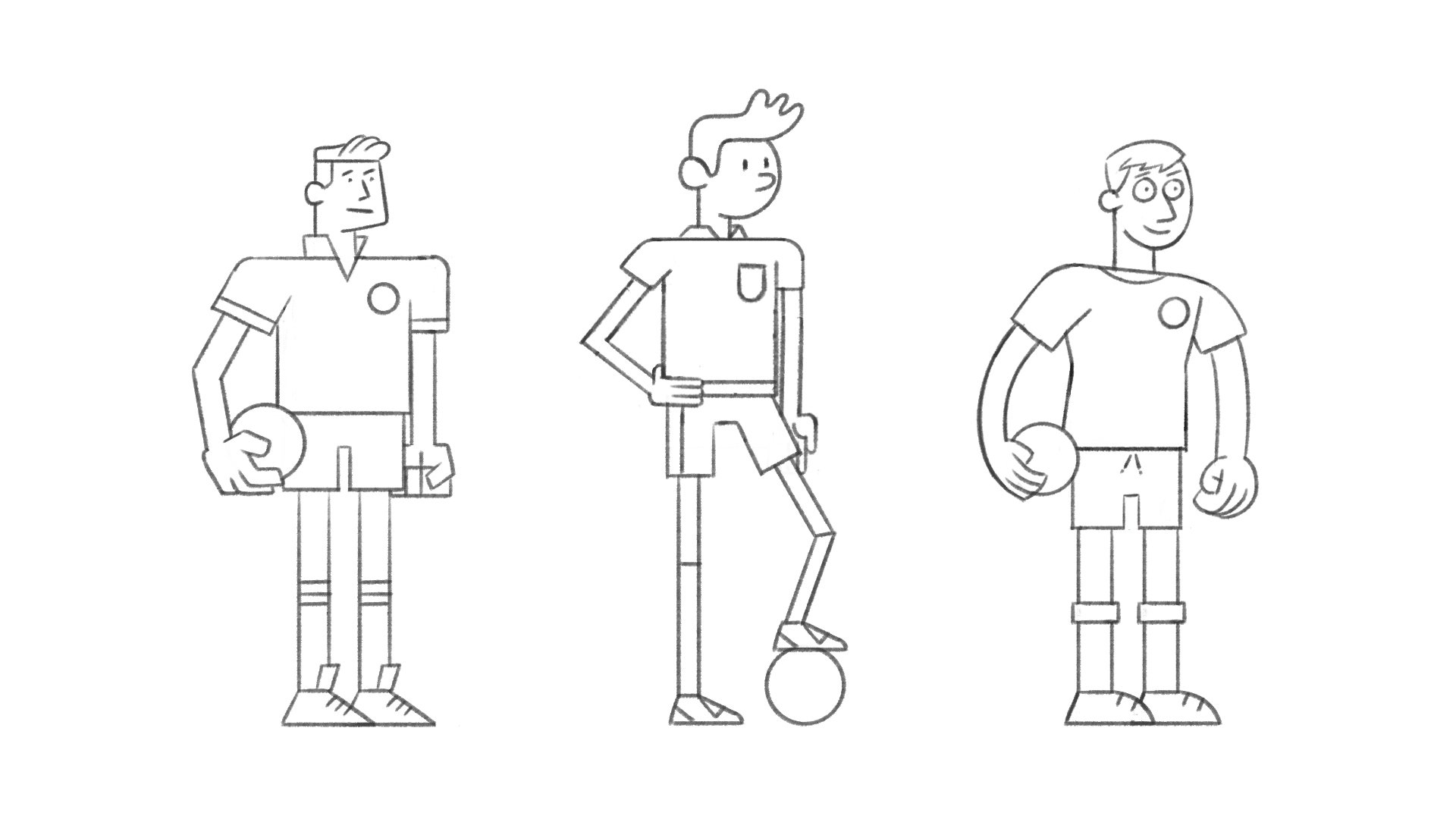
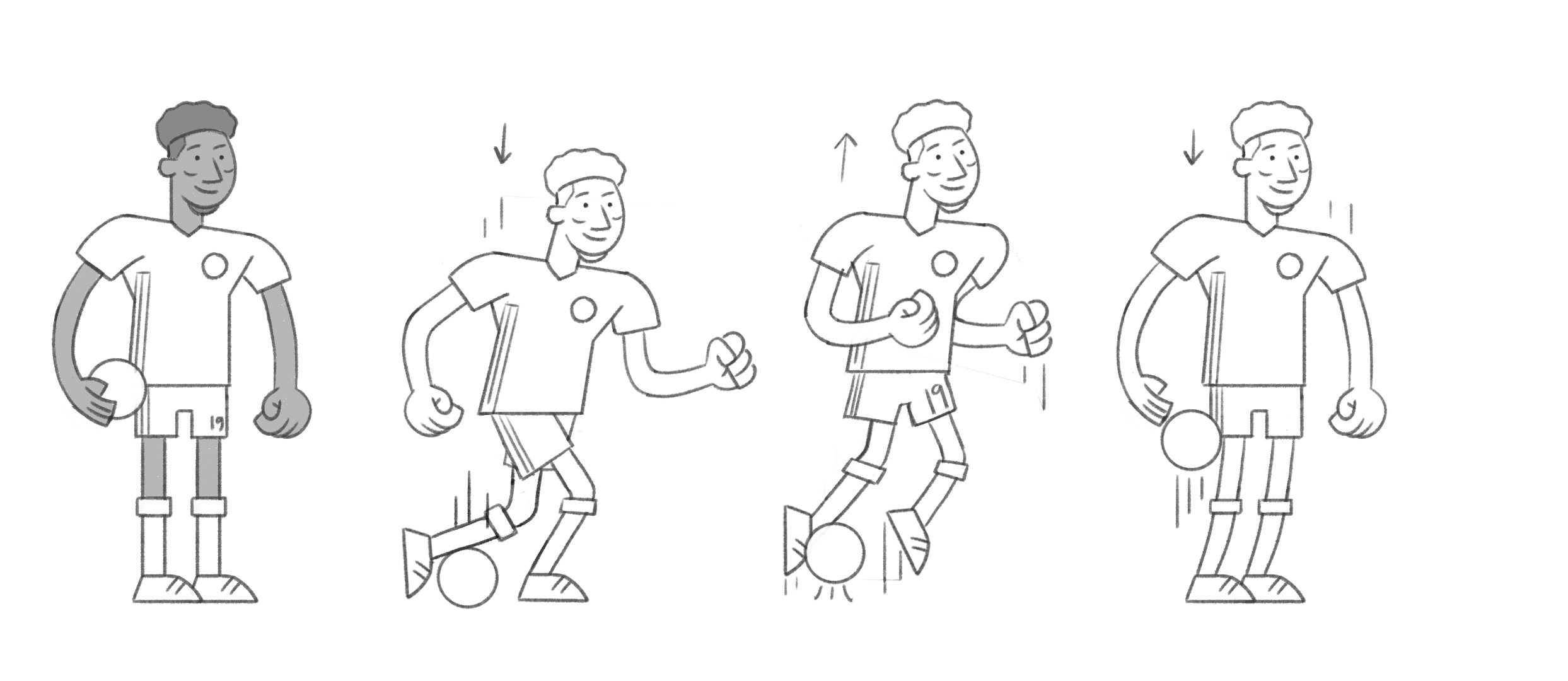
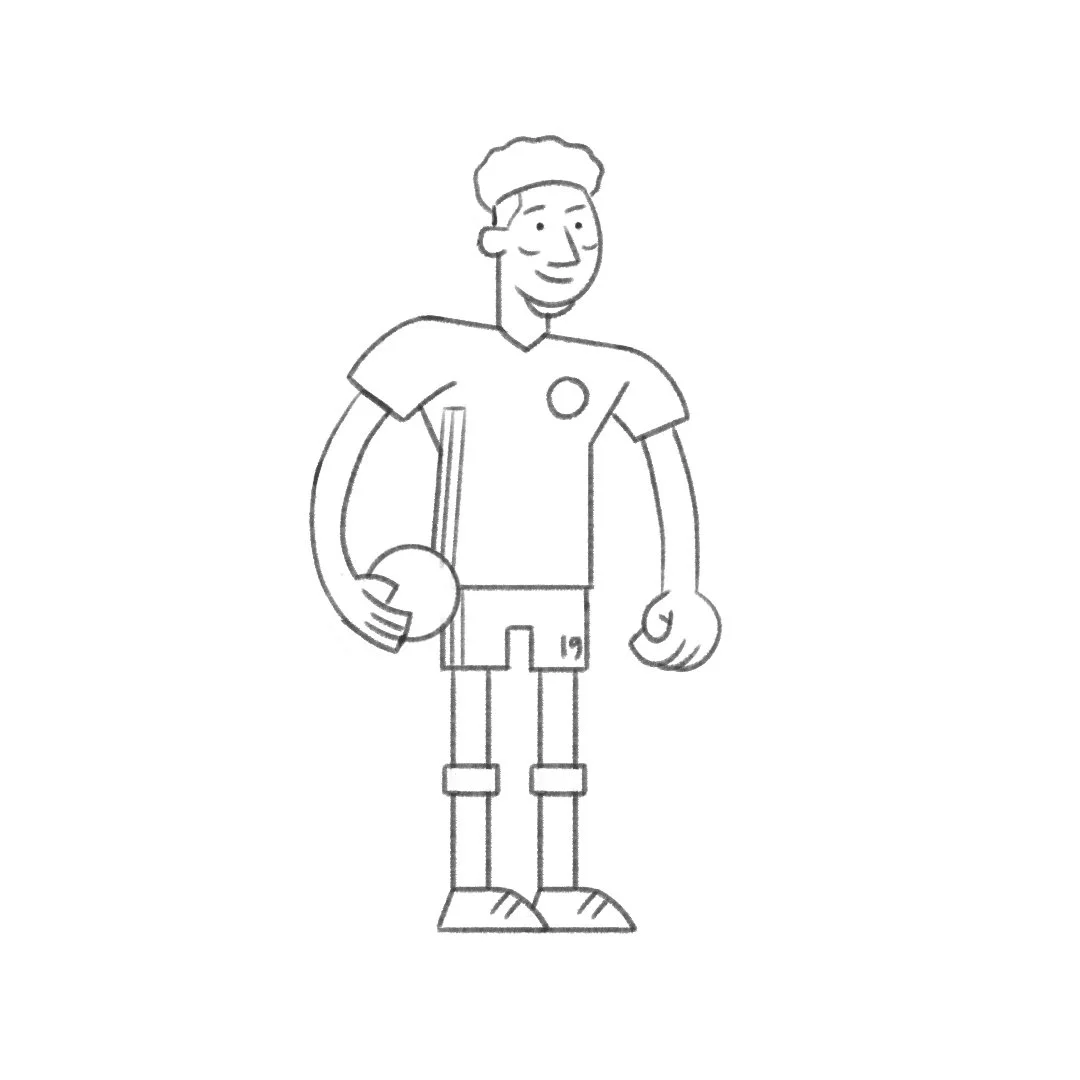
The brief required a careful balance between accessibility and educational value. The content needed to feel friendly and engaging for young audiences, while remaining purposeful and credible for parents, educators, and institutional partners. Our role focused on character design and animation that supported learning objectives without distracting from them.
The series launched with a central film and continued through weekly episodes released across YouTube and the Twinkl platform. The approach prioritised consistency, clarity, and tone, ensuring the characters could carry educational messages in a way that felt approachable rather than instructional.
The campaign reached more than 30,000 people and received a UK Sponsorship Award, reflecting both audience engagement and the effectiveness of the collaboration. The project demonstrates how animation can be used responsibly to support learning at scale, particularly in contexts where confidence and accessibility are as important as content.
“Working with Santander in association with the Champions League and Rio Ferdinand on a campaign to make maths more accessible through Twinkl, we spoke with Oakbeam about providing the animation and illustrations for the project, and I couldn’t have hoped for a better team to work with. The animations were fantastic and truly brought fun to the project. We’ve heard that kids across the country have adored the campaign, and we couldn’t have done it without Oakbeam. I very much hope to work with them again.”
— Ben, Wing London


BT Sport
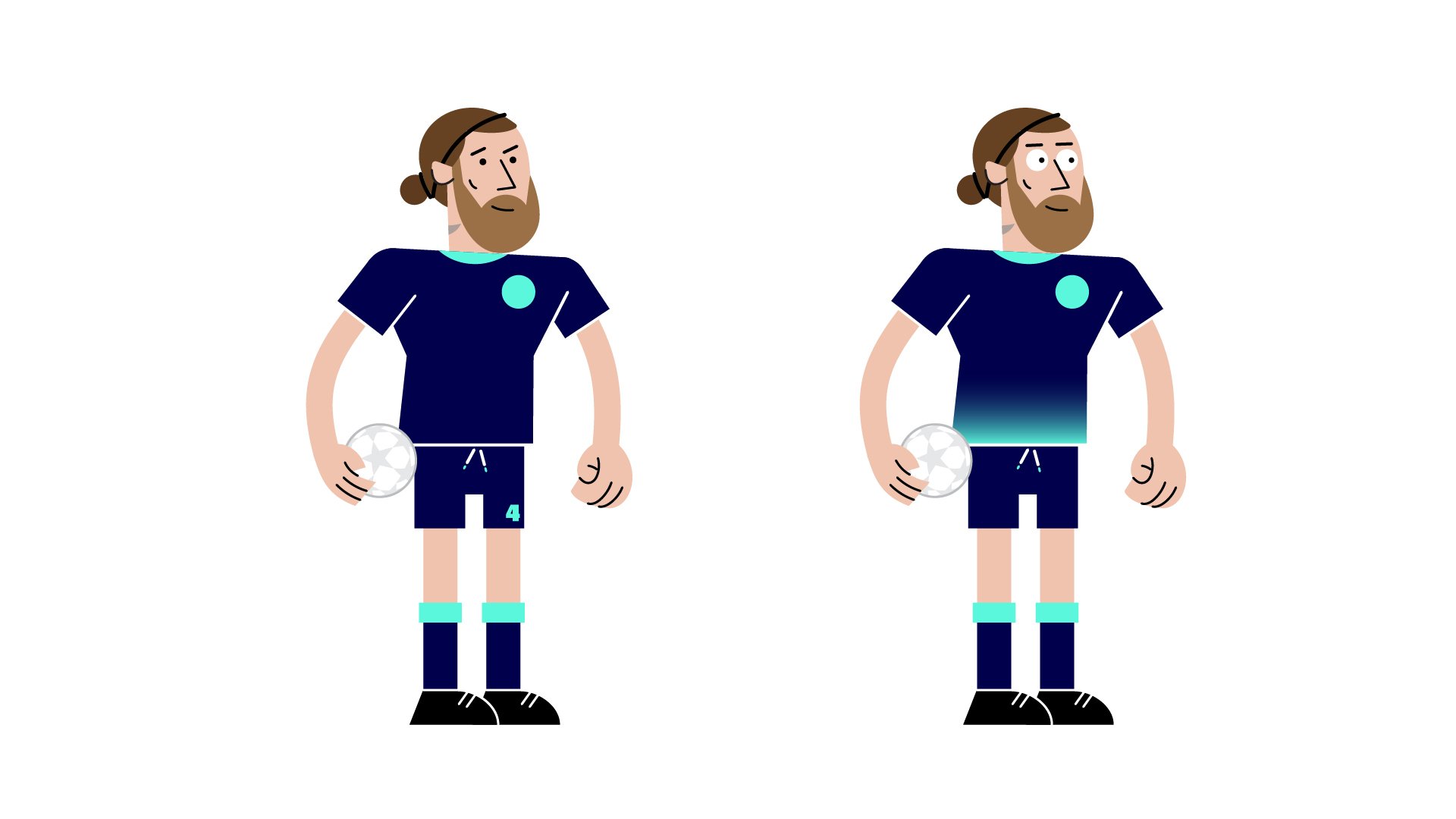
The characters and visual approach developed for The Numbers Game were later adapted for sponsorship content with BT Sport, demonstrating how the work could scale across both educational and broadcast contexts.