
C40 Cities: A modular motion system for a major climate keynote
A visual communications system for a global climate summit
Client: C40 Cities
Commissioned by: Greenhouse Agency
Event: C40 World Mayors Summit 2025
Services: Visual storytelling, motion design, keynote visuals, presentation design, modular animation system, data storytelling
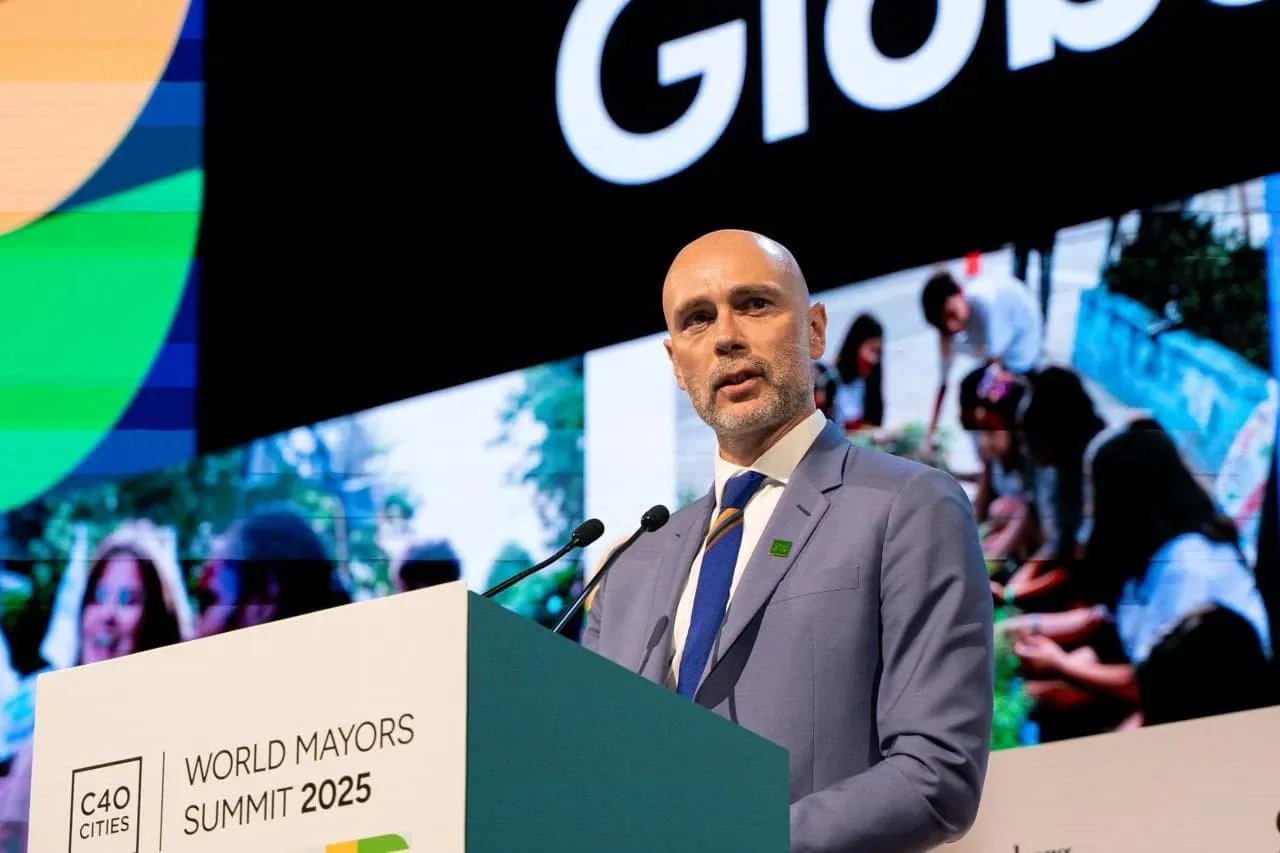
Our role was to support a live keynote by C40 Executive Director Mark Watts, helping turn a shifting, data-led speech about city climate progress and 2030 targets into a flexible visual system for a large LED screen. Working with Greenhouse Agency, we helped shape the creative proposal, developed tiered options, then designed 14 looping animated slides that could be reordered and updated as the speech evolved, while keeping the keynote visually coherent, clear and energetic.
C40 needed animated visuals for a large LED screen behind a live keynote speech. The work had to support the speaker, bring energy to the room, and help communicate both the progress cities have made and the urgency of what comes next.
Oakbeam was brought in by Greenhouse Agency to help shape the creative approach, develop tiered options for the client, and design and animate the final keynote system.
The challenge.
The project began with a more linear animation approach. But as the speech developed, the script, timings and emphasis continued to shift.
A single fixed animation would have made late changes difficult and risked the visuals falling out of sync with the final speech. The challenge became creating something polished enough for a major live event, but flexible enough to keep adapting as the keynote evolved.
The approach.
From fixed animation to flexible visual system
We shifted the project into a modular keynote system made up of looping animated slides.
Each slide could stand on its own, be reordered, updated or refined as needed, while still feeling part of one coherent visual world. This gave the team flexibility as the speech changed, without losing the visual consistency needed for a high-profile event.
The system needed to balance movement, clarity and restraint: enough animation to create energy, but not so much that it distracted from the speaker.
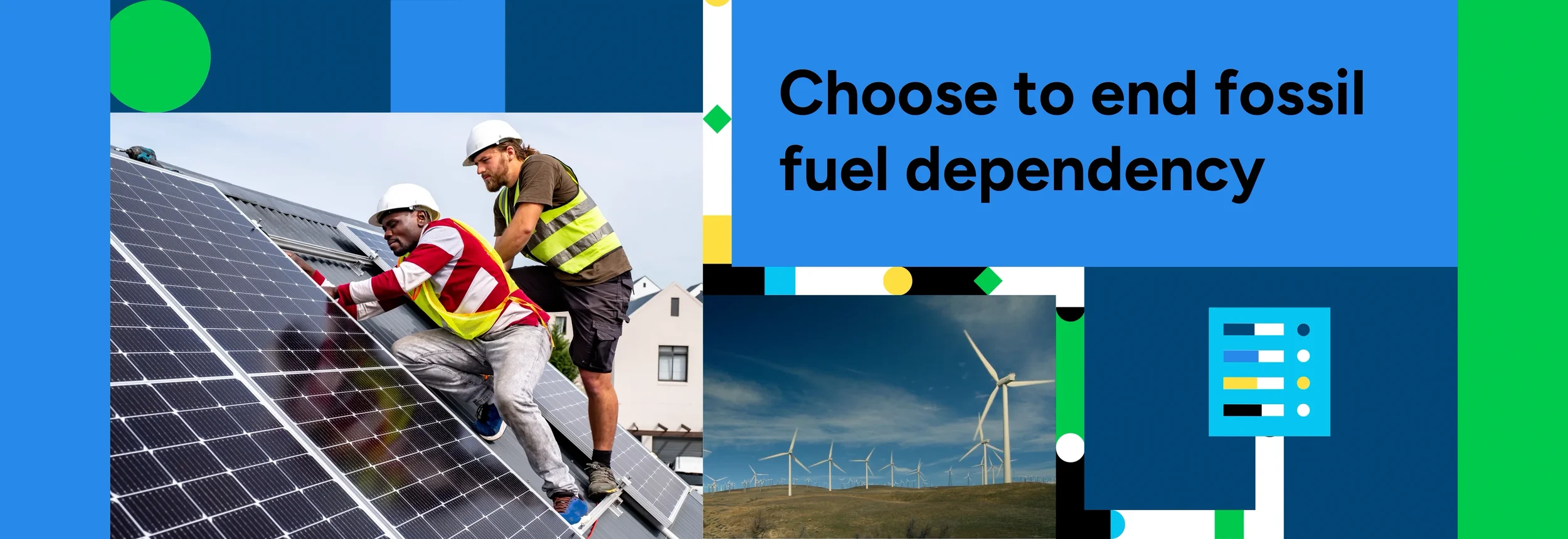


The visual system.
The visuals were designed to work at scale on a large LED screen. They needed to remain legible behind the speaker, carry key ideas quickly, and support a speech that moved between celebration, evidence and urgency.
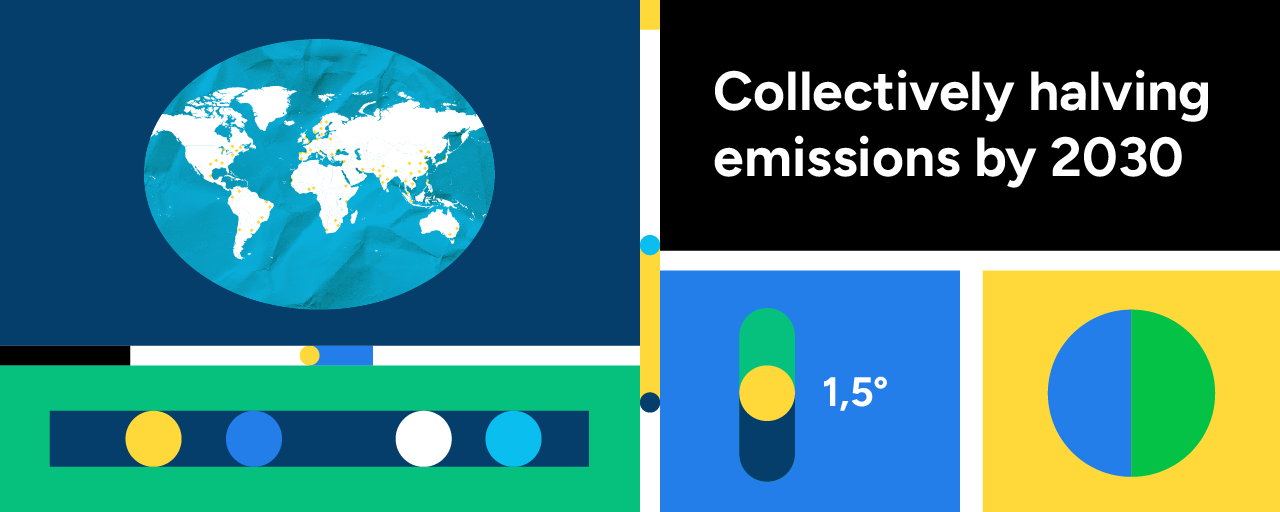
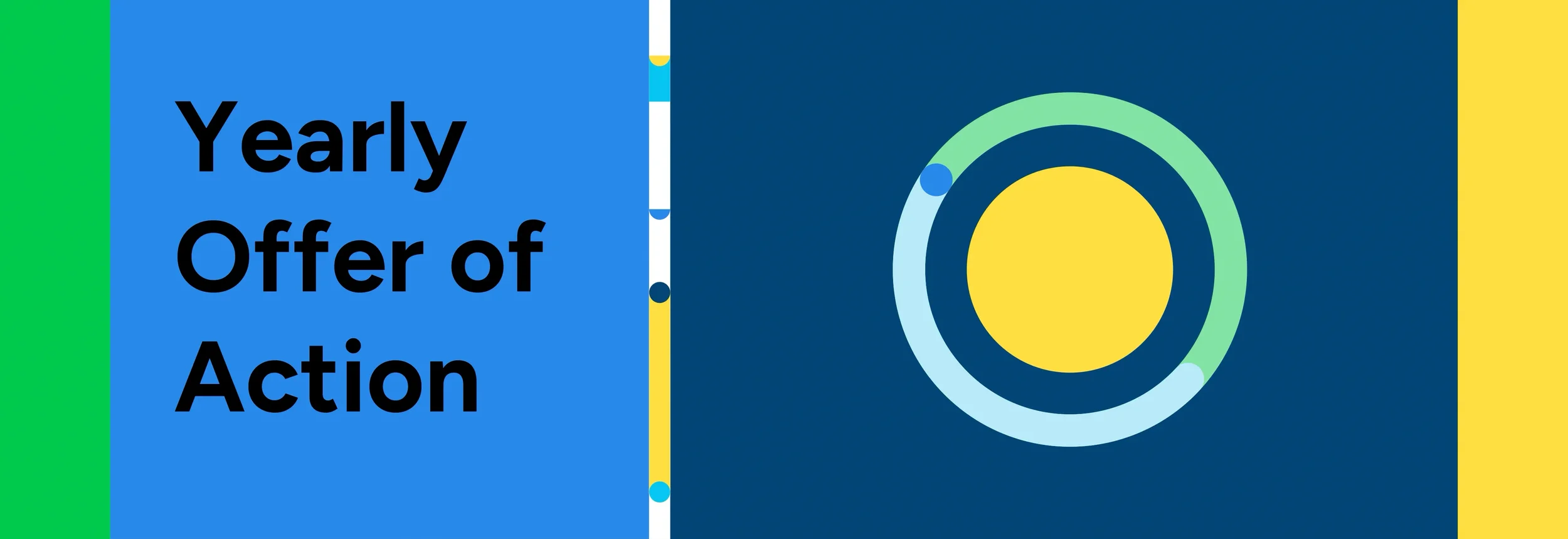
Across 14 animated slides, the system created a consistent visual backdrop for the keynote, helping the room feel the scale, direction and momentum of the message.
A selection of the 14 looping animated slides created for the keynote deck.
Connecting the visuals to the summit’s core idea.
One of the later keynote slides focused on the idea of Global Mutirão, rooted in the Brazilian concept of collective effort for the common good.
This became an important part of the visual system because it connected the keynote’s data-led message to the wider spirit of the summit: cities, national governments and communities working together to turn climate ambition into action.
The slide was designed to feel less like a single presentation graphic and more like a shared visual moment, reinforcing the idea that progress depends on coordination across every level.
For a keynote about what cities have achieved, and what still needs to happen before 2030, this frame helped hold together the practical and emotional sides of the message: evidence, urgency and collective action.
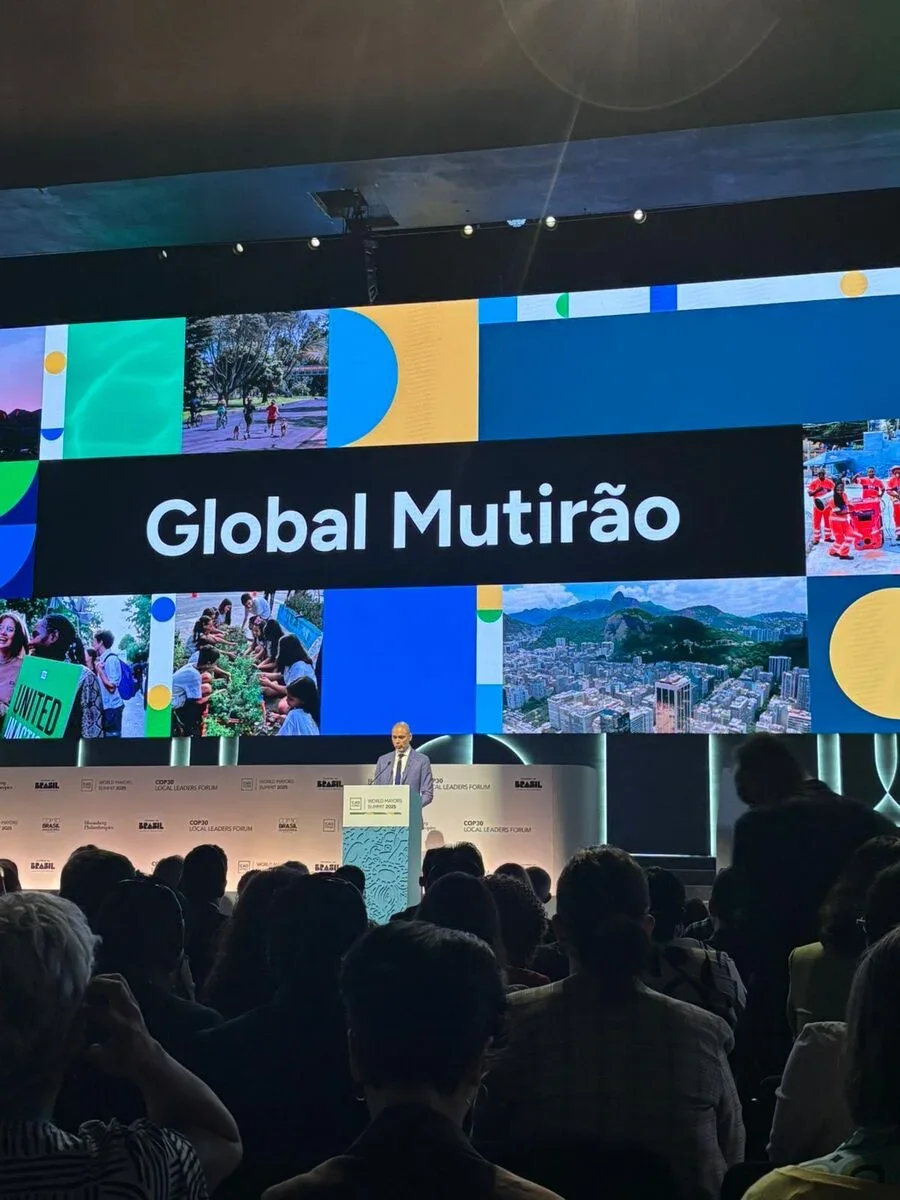
The Global Mutirão animation in context, supporting Mark Watts’ keynote message about collective effort and shared climate action.
Designed for the room.
The visuals had to perform in a live environment, not just as isolated design frames. They needed to hold up on a large screen, sit comfortably behind the speaker and remain flexible as the keynote came together.
The modular structure made it possible to adapt the deck without compromising the overall experience.
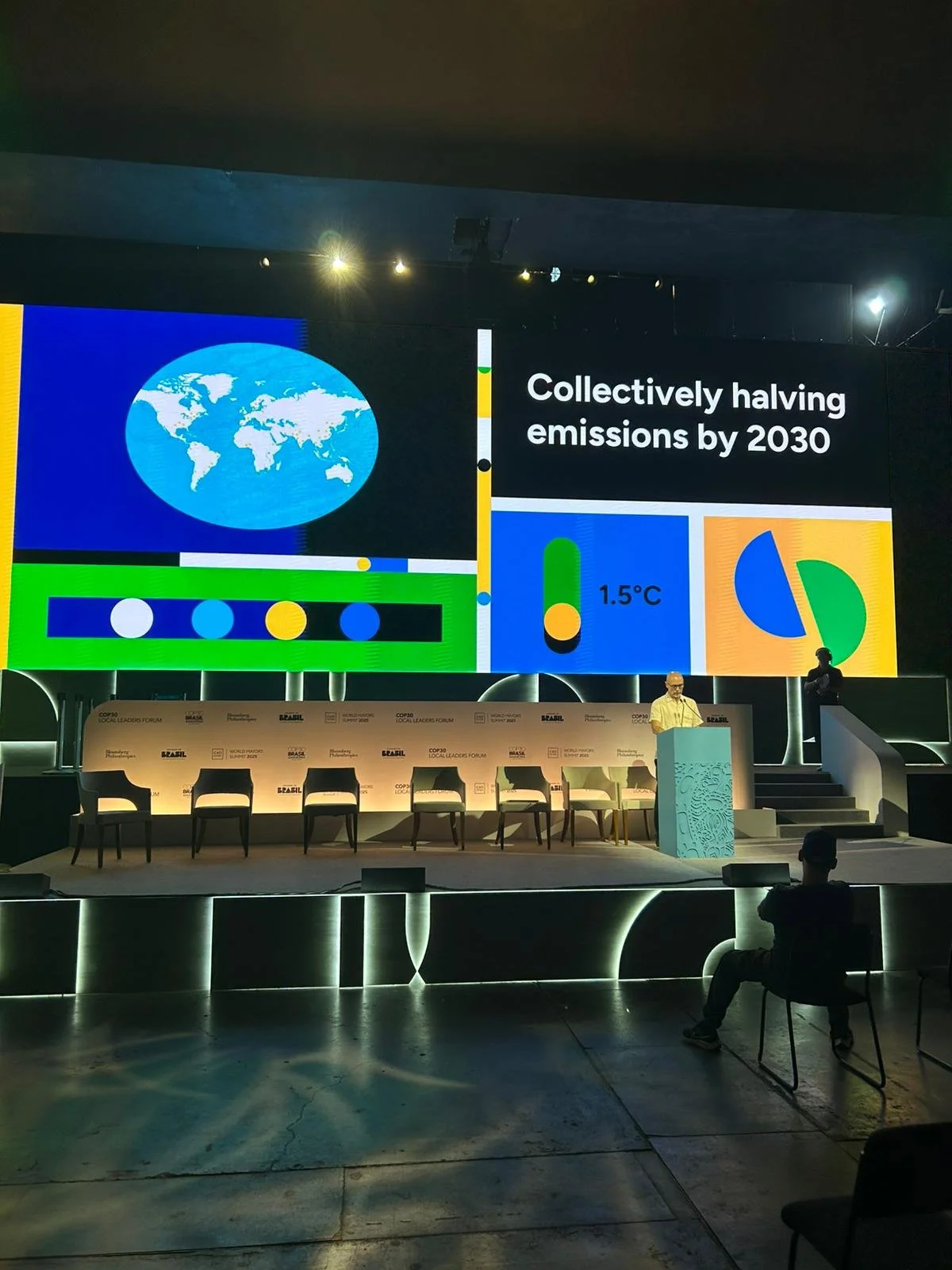
Testing the modular keynote system at scale ahead of Mark Watts’ speech, ensuring the visuals remained legible, flexible and supportive of the live presentation.
The visuals in context.
The final visuals can be seen during Mark Watts’ keynote, where they appear on the large LED screen behind the speech.
The outcome.
The final delivery included 14 looping animated slides built into a keynote deck, giving the C40 team a flexible visual system that could adapt to the final speech while still feeling cohesive on the day.
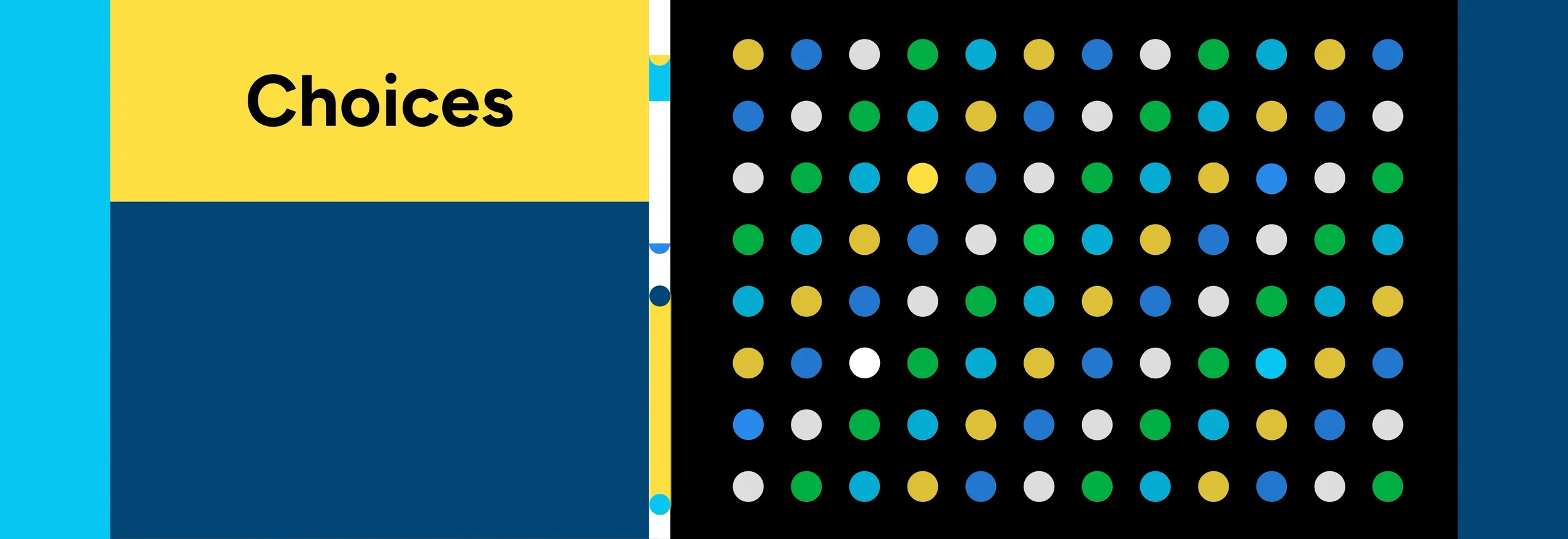
The opening “choices” sequence helped set the tone for the keynote, introducing a visual language of pathways, decisions and possible futures. From there, the system could move between progress, data, urgency and collective action while staying visually connected.
The project created a practical balance between polish and flexibility, supporting a major climate keynote with visuals that could respond to change while holding the message together.
Opening keynote visual exploring the theme of choices, using pathways and doorways to introduce the decisions facing cities on the road to 2030.