University of Oxford / The Open University: Climate Creativity
An animated learning film exploring language, imagination and the climate crisis
Project: Climate Creativity
Format: Animated film for online learning and facilitated discussion
Services: Visual storytelling, animation direction, illustration direction, learning content support, climate communication, youth audience engagement
Oakbeam Pictures was commissioned by the University of Oxford, in collaboration with The Open University, to create an animated film exploring the role of creativity and language in responding to the climate crisis.
The film was developed for an online event aimed at younger audiences, supporting a facilitated workshop where lecturers encouraged creative writing, reflection and discussion around climate change.
Our role was to translate a thoughtful academic theme into an accessible animated film that could open up conversation, helping participants think about how words, stories and imagination shape the way people understand climate action.
The challenge.
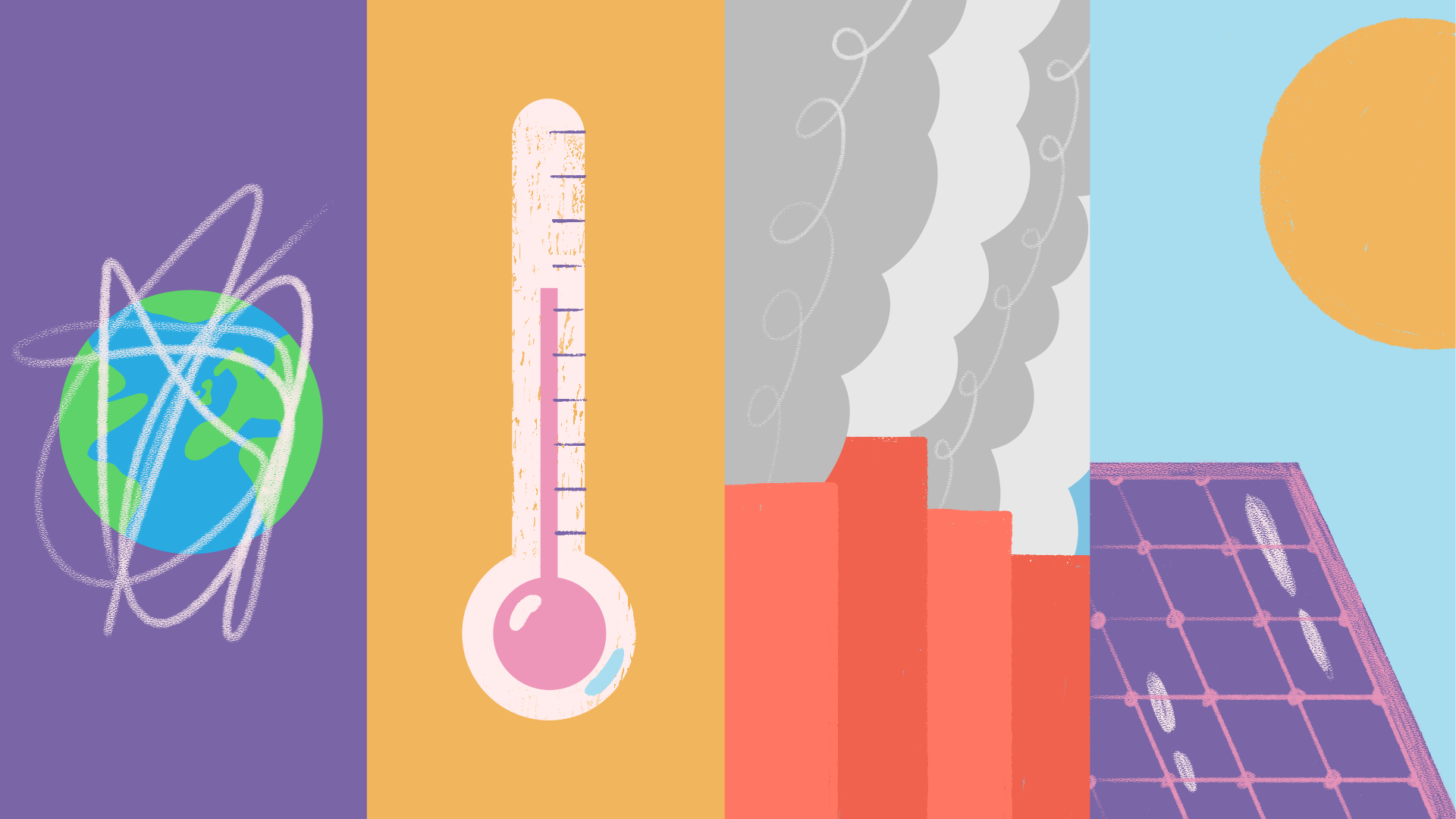
Climate change can be difficult to communicate to younger audiences without either overwhelming them or oversimplifying the issue.
This project needed to create space for reflection rather than simply deliver information. The film had to introduce ideas around language, creativity and climate responsibility in a way that felt engaging, open and age-appropriate, while still respecting the seriousness of the climate crisis.
The challenge was to make an abstract idea feel accessible: how the words we choose, the stories we tell and the futures we imagine can influence how people relate to climate change.
Exploring climate through language and imagination
The approach.
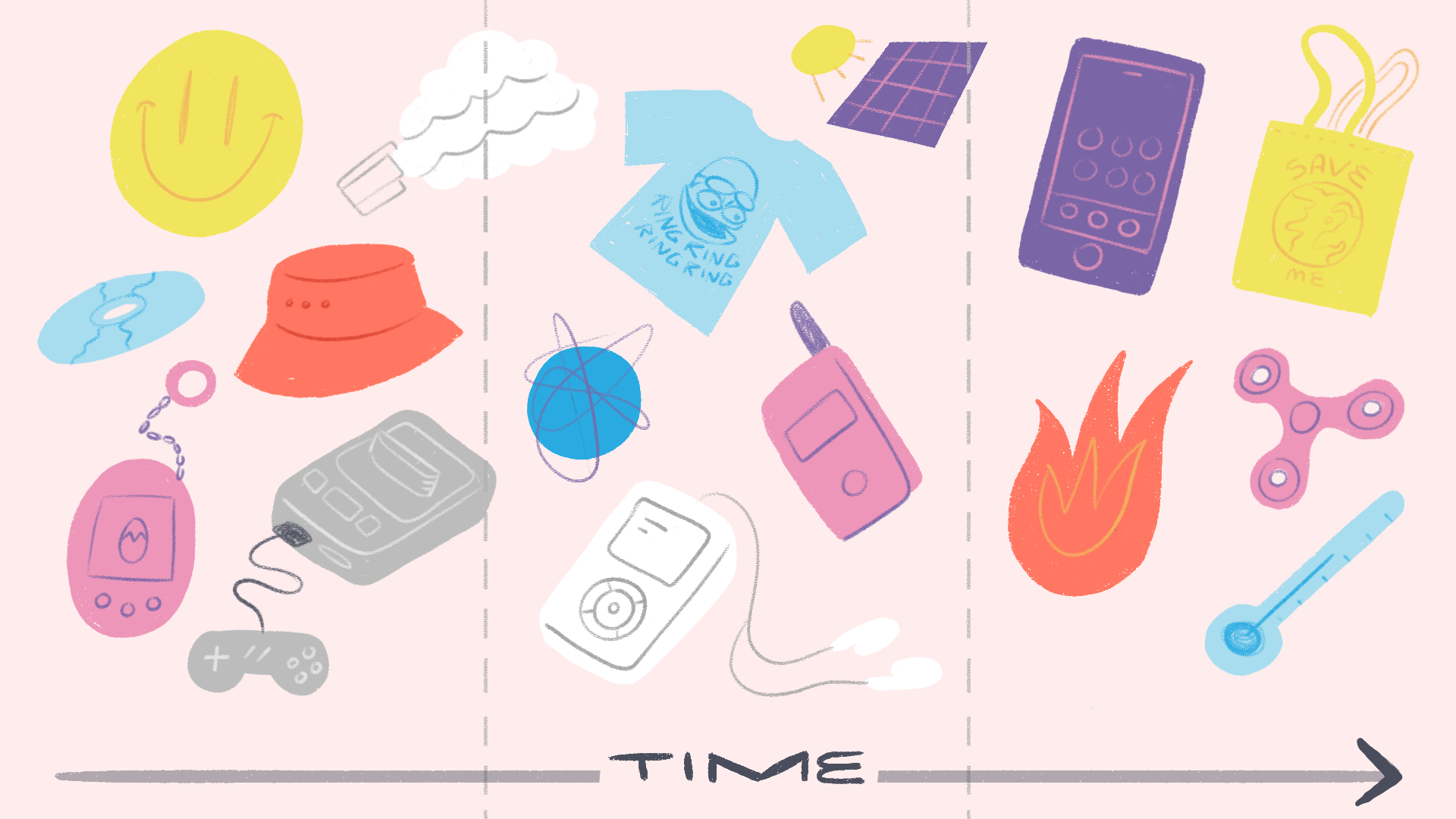
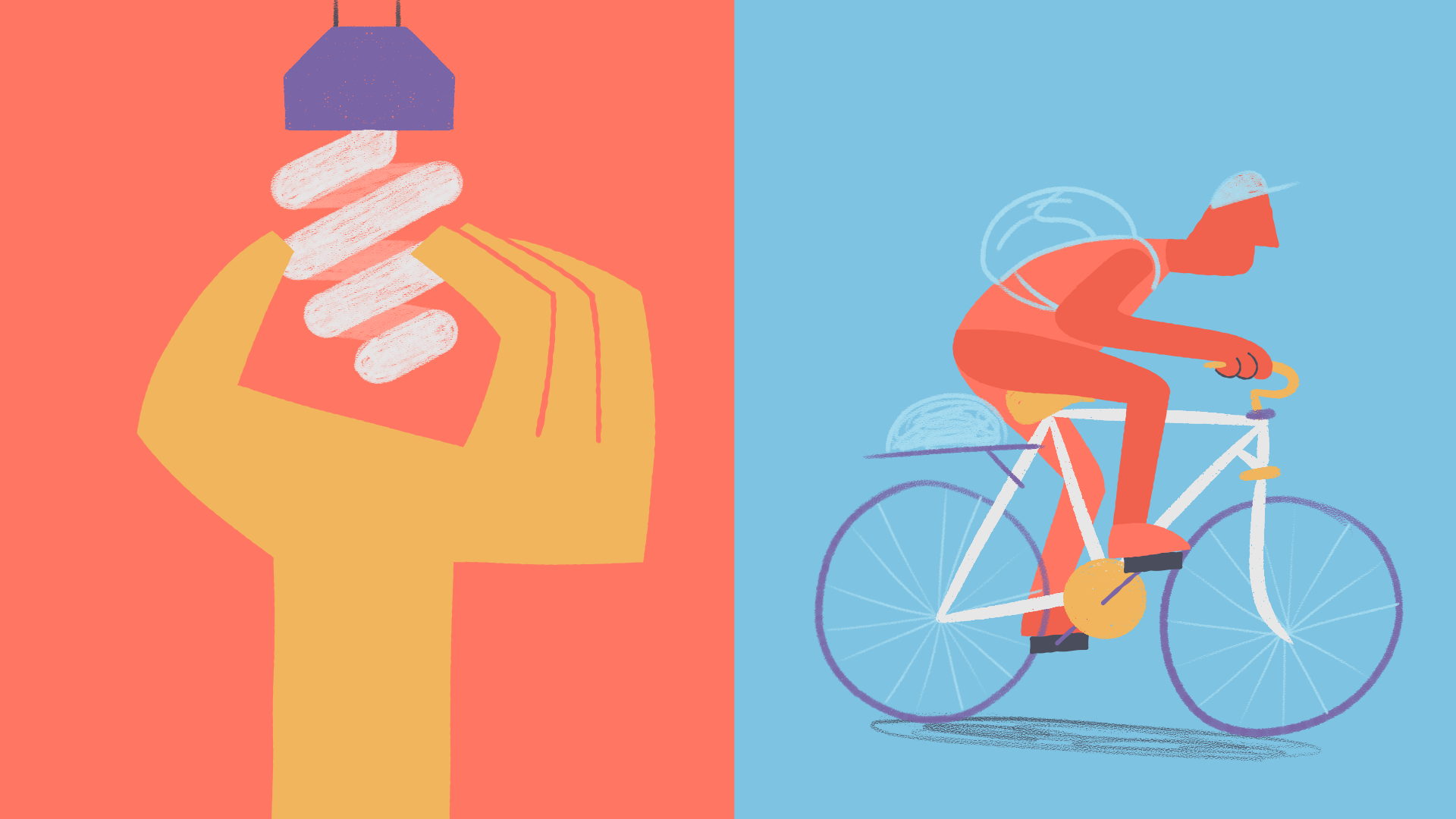
Oakbeam developed a visual style that felt bright, imaginative and approachable, designed to support a younger audience while remaining credible within an academic learning context.
The animation used metaphor, visual rhythm and playful transitions to explore how climate ideas can be shaped through language and creative thinking. Rather than presenting climate change only through data or warnings, the film invited viewers to think about their own role in making meaning and imagining possible responses.
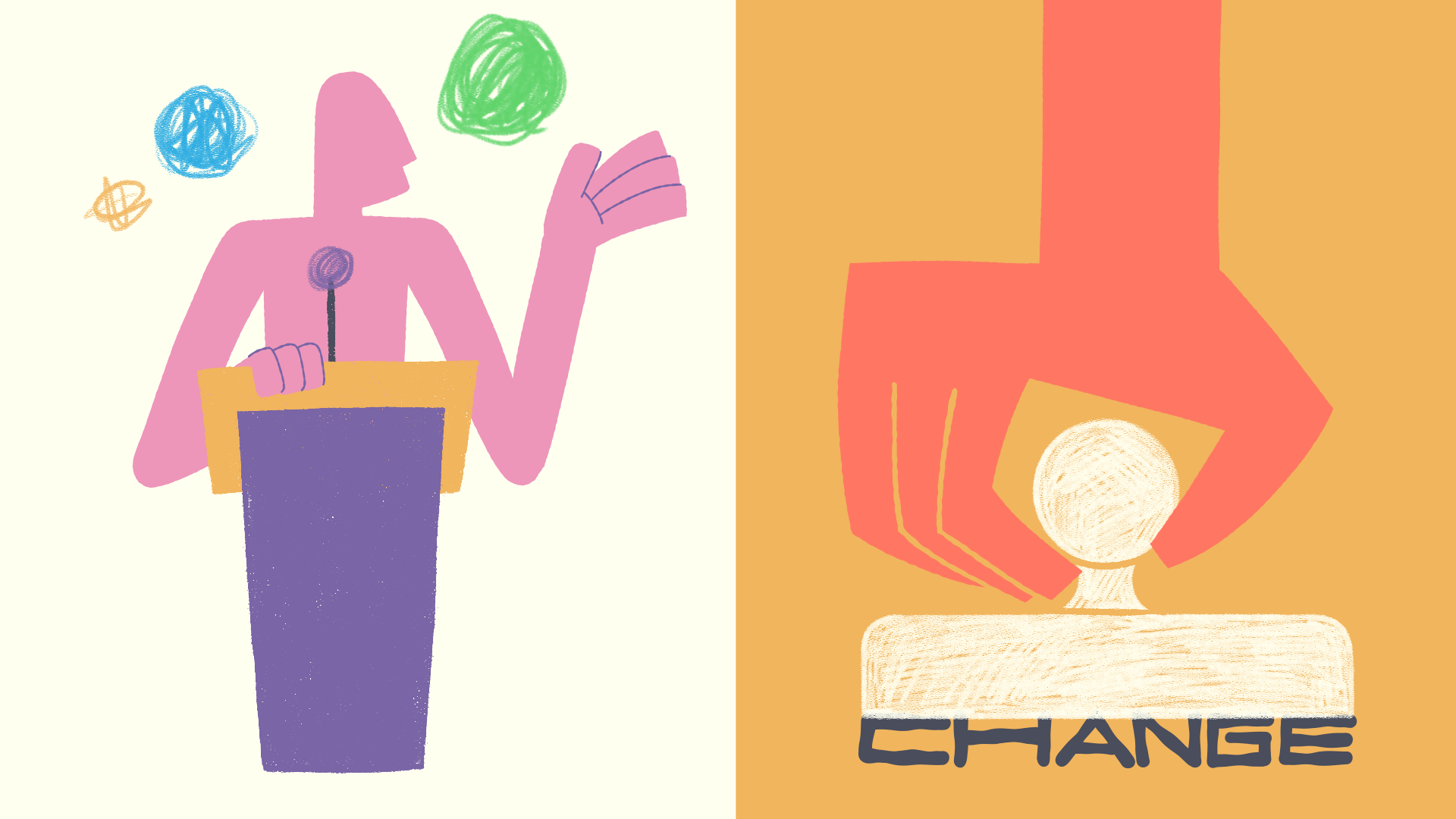
Working with the project team, Oakbeam shaped the piece as a catalyst for discussion. The film was designed to sit within a wider facilitated workshop, giving lecturers a shared visual starting point for conversation, creative writing and reflection.



The outcome.
The final animation supported an online learning event focused on climate creativity, helping younger participants explore the relationship between language, imagination and climate action.
By making an abstract topic more visual and approachable, the film helped create a bridge between academic ideas and active participation. It gave the workshop a clear opening stimulus, encouraging viewers to reflect on how communication, creativity and storytelling can influence the way people understand and respond to the climate crisis.
For Oakbeam, the project was an example of how animation can support climate education not just by explaining information, but by creating the conditions for thought, discussion and creative engagement.