
The Open University: Difficult Conversations
Scenario-based animations supporting healthcare communication training
Client: The Open University
Project: Difficult Conversations
Services: Narrative development, character-led storytelling, animation direction, illustration direction, voice direction, learning content support, sensitive subject communication
Oakbeam Pictures worked with The Open University to create a series of animated films for a training programme designed to support health sector professionals in challenging communication scenarios.
The films explored moments where difficult conversations could either escalate or de-escalate depending on how they were handled. Each scenario was developed in two versions, showing how tone, judgement and response can shape the outcome of a real-world interaction.
Our role was to translate complex interpersonal situations into clear, relatable animated narratives that could support reflection, discussion and skill-building. The project required close collaboration with subject-matter experts, careful voice direction and a balance between clarity, realism and sensitivity.
The resulting films were designed to help learners recognise risk, build confidence and think more carefully about how communication works under pressure.
Animations contain explicit language.
The challenge.
Healthcare professionals can face difficult conversations in high-pressure environments, where tone, timing and response can quickly affect what happens next.
The training needed to show these situations in a way that felt realistic and recognisable, without becoming overly dramatic or simplified. Each scenario had to support learning by showing both what can go wrong and how a more thoughtful response can help de-escalate the situation.
The challenge was to create character-led animations that felt believable enough to prompt reflection, while remaining clear and structured enough to support practical training.
The approach.
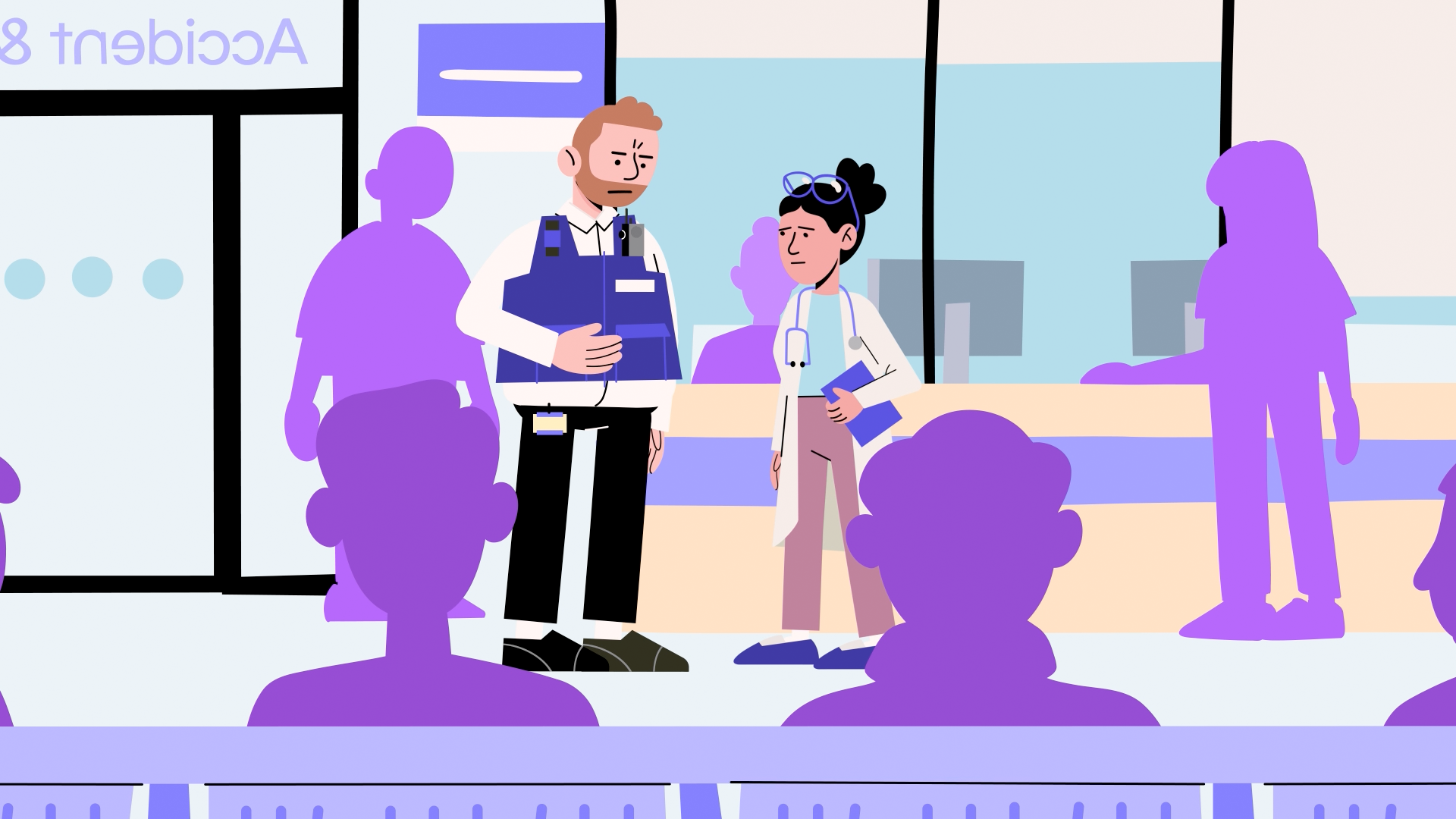
Oakbeam developed a series of animated scenarios, each created in two versions: one where the conversation escalates, and one where it is handled more effectively.
This structure allowed learners to compare the same situation from two different perspectives, seeing how small changes in language, body language, tone and judgement could alter the outcome.
The animations had to be engaging, but they also needed to represent the kinds of challenges health sector workers may face in real practice. For that reason, the character performances were central to the project. Voice, pacing, expression and timing all needed to feel convincing and true to life.
Working closely with the project team and subject-matter experts, Oakbeam shaped the films as tools for reflection, discussion and skill-building, rather than simple right/wrong demonstrations.
Three moments of communication under pressure
Each scenario was created in two versions: one where the conversation escalates, and one where a more considered response helps move the situation towards a better outcome.
Oakbeam sourced and directed the voice artists remotely, using performance, pacing and character animation to make each exchange feel specific, credible and true to life. Across the series, care was also taken to reflect a diverse range of patients, staff and real-world healthcare contexts.
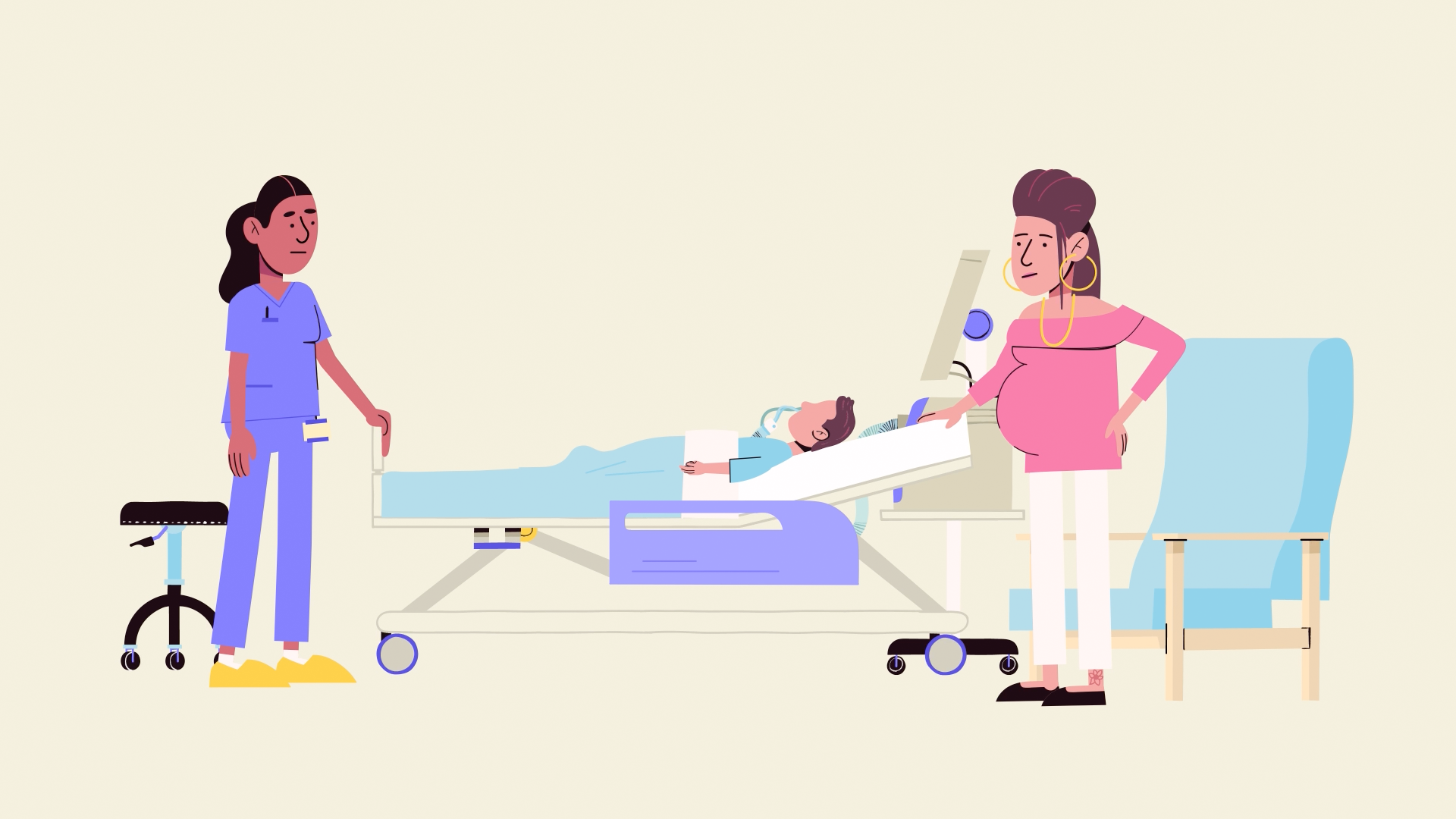
Priya and Brigid: distress in a children’s intensive care unit
This scenario focuses on a conversation between Priya, who works in a children’s intensive care unit, and Brigid, a heavily pregnant mother whose young son is critically ill.
The two versions show how tone, empathy and timing can shape a highly emotional interaction. The animation needed to capture Brigid’s distress and Priya’s professional pressure in a way that felt human, believable and useful for training discussion.
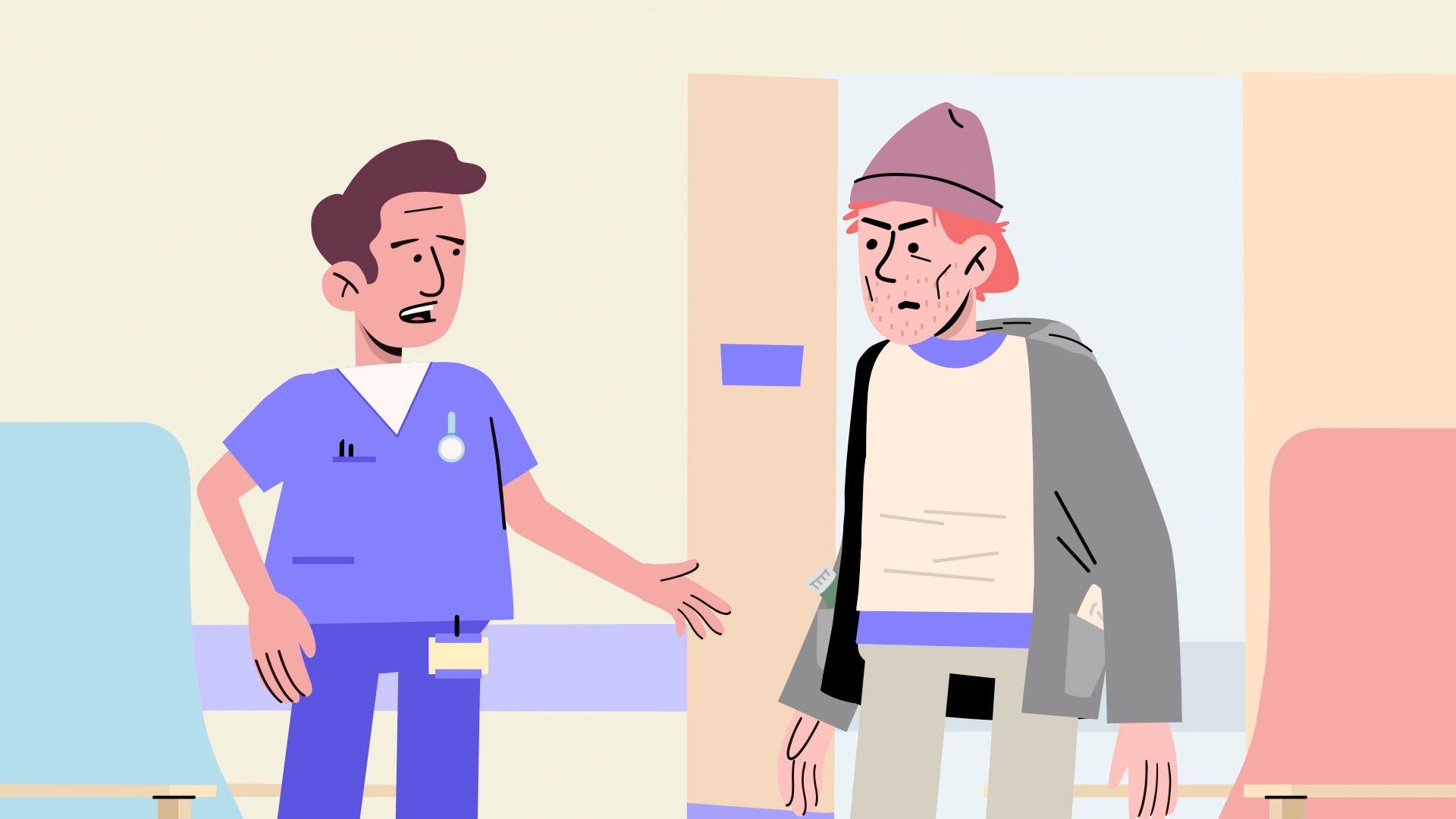
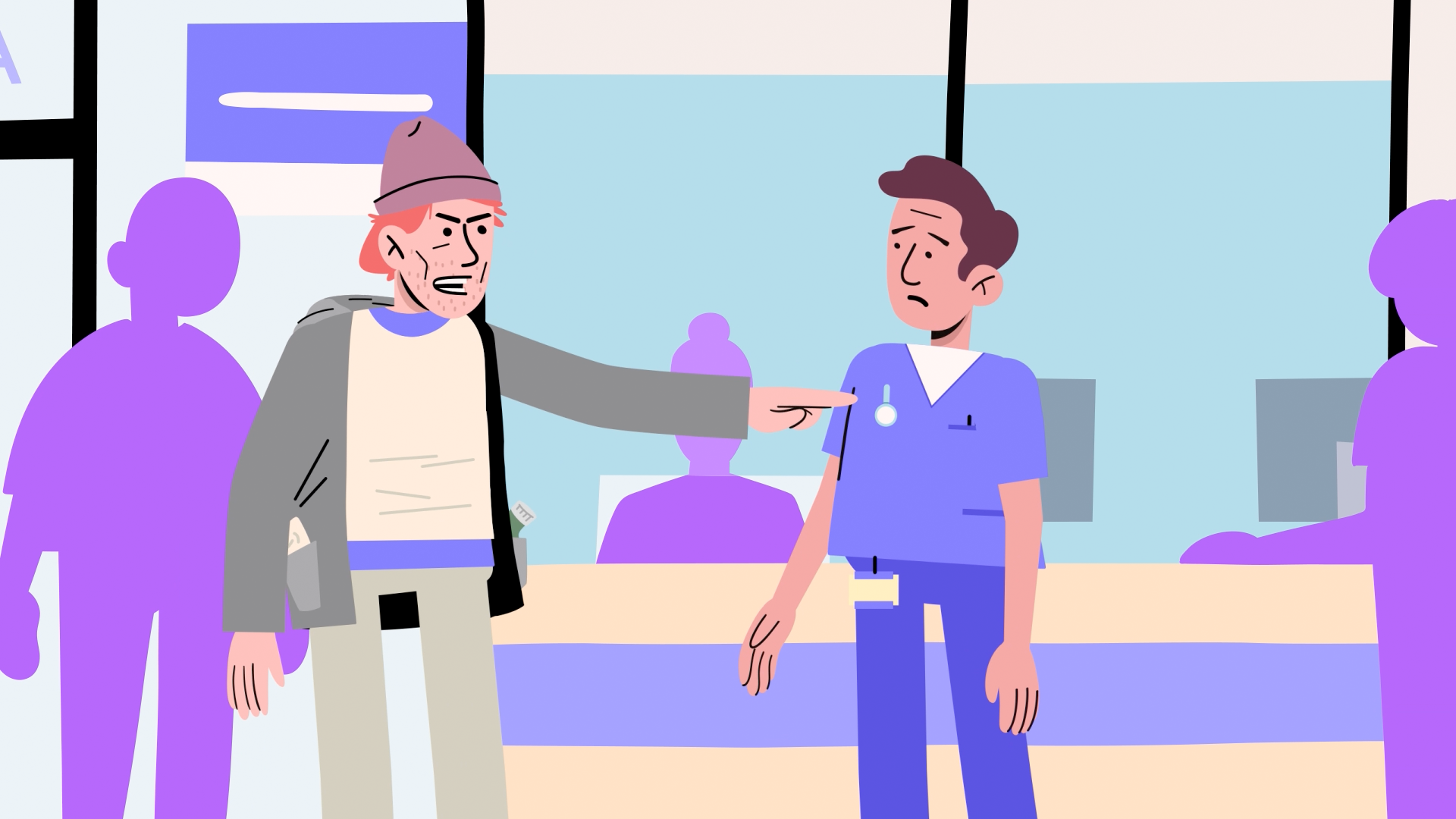
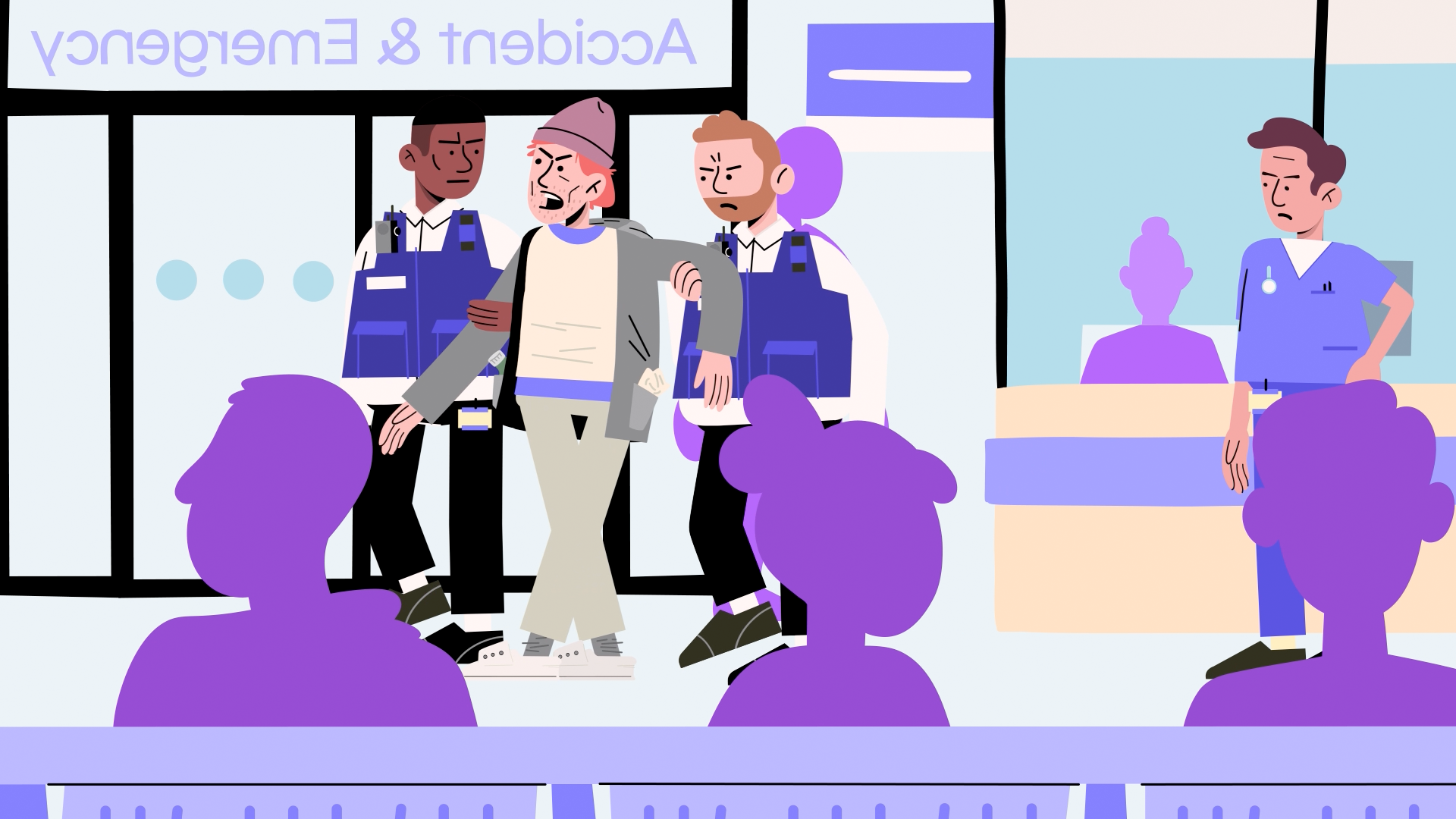
Colin and Devon: crisis care and the risk of escalation
This scenario follows Colin, who works in the emergency department of a busy city hospital, and Devon, a 27-year-old man who regularly attends with issues relating to alcohol and drug dependency and suicidal ideation.
The film explores how a familiar and difficult interaction can quickly escalate, creating distress and potential risk for staff, patients and the person in crisis. By showing both an escalated and de-escalated version of the same encounter, the animation helps learners consider how judgement, language and professional response can affect trust, safety and outcome.
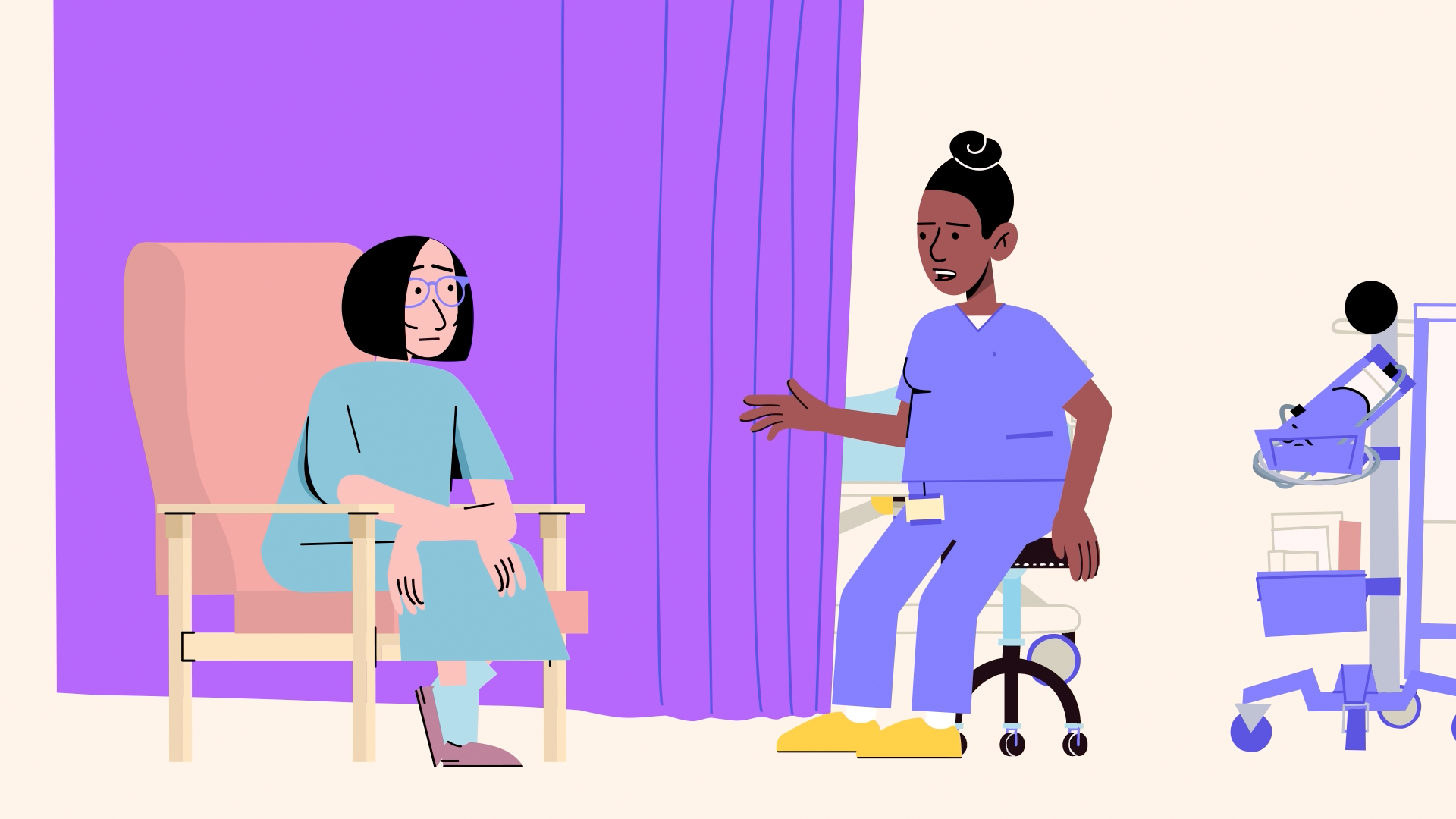
Jane and Michelle: uncertainty on a busy ward
This scenario centres on Michelle, a patient on a busy medical ward, and Jane, a student nurse asked to carry out her observations. Michelle is waiting for a conversation with her team about her symptoms and possible diagnosis, but the meeting has not yet been scheduled.
The animation explores how uncertainty, anxiety and routine clinical tasks can collide. The two versions show how a healthcare worker’s response can either increase frustration or create space for a calmer, more constructive exchange.
The outcome.
The final films gave The Open University a set of scenario-based learning tools designed to support healthcare communication training.
By showing difficult conversations in both escalated and de-escalated forms, the animations helped learners explore how communication can influence risk, trust and professional judgement in challenging situations.
The project combined narrative structure, character animation, voice performance and subject-matter collaboration to create training content that felt practical, human and emotionally grounded.
For Oakbeam, the project was a strong example of how animation can support learning around complex interpersonal situations, helping audiences practise judgement and reflection in a safe, accessible format.
“Matthew approached the subject matter with curiosity and sensitivity, developing animated, voiced characters with nuance and realism. I am extremely pleased with the final project and would be glad to recommend Oakbeam for similar work in the future.”
— Geraldine Kyle
Associate Lecturer, The Open University